Sketches
Client
N/A
Year
2020-Present
Tag
Product Design
Duration
N/A


Client
N/A
Year
2020-Present
Tag
Product Design
Duration
N/A
The project itself :
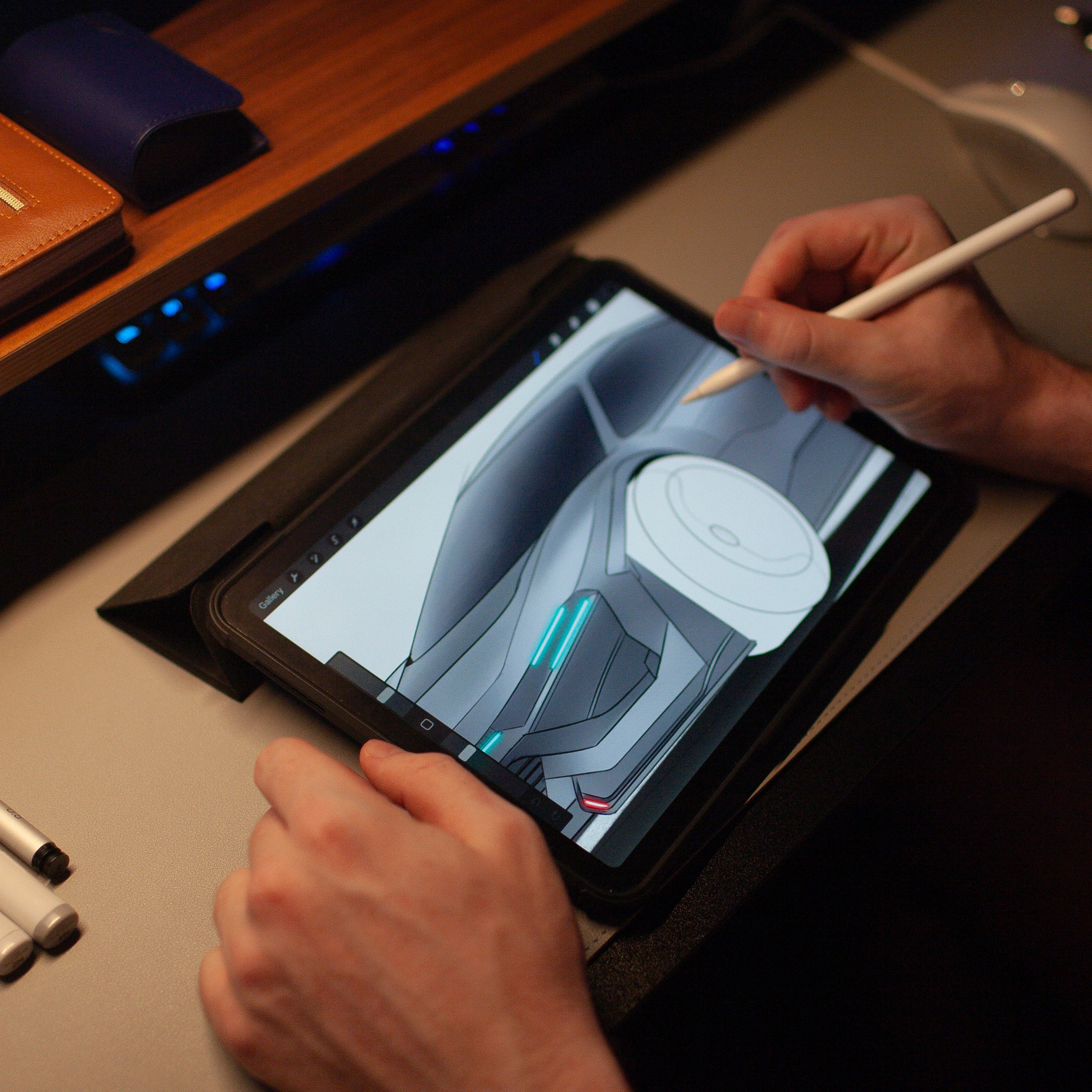
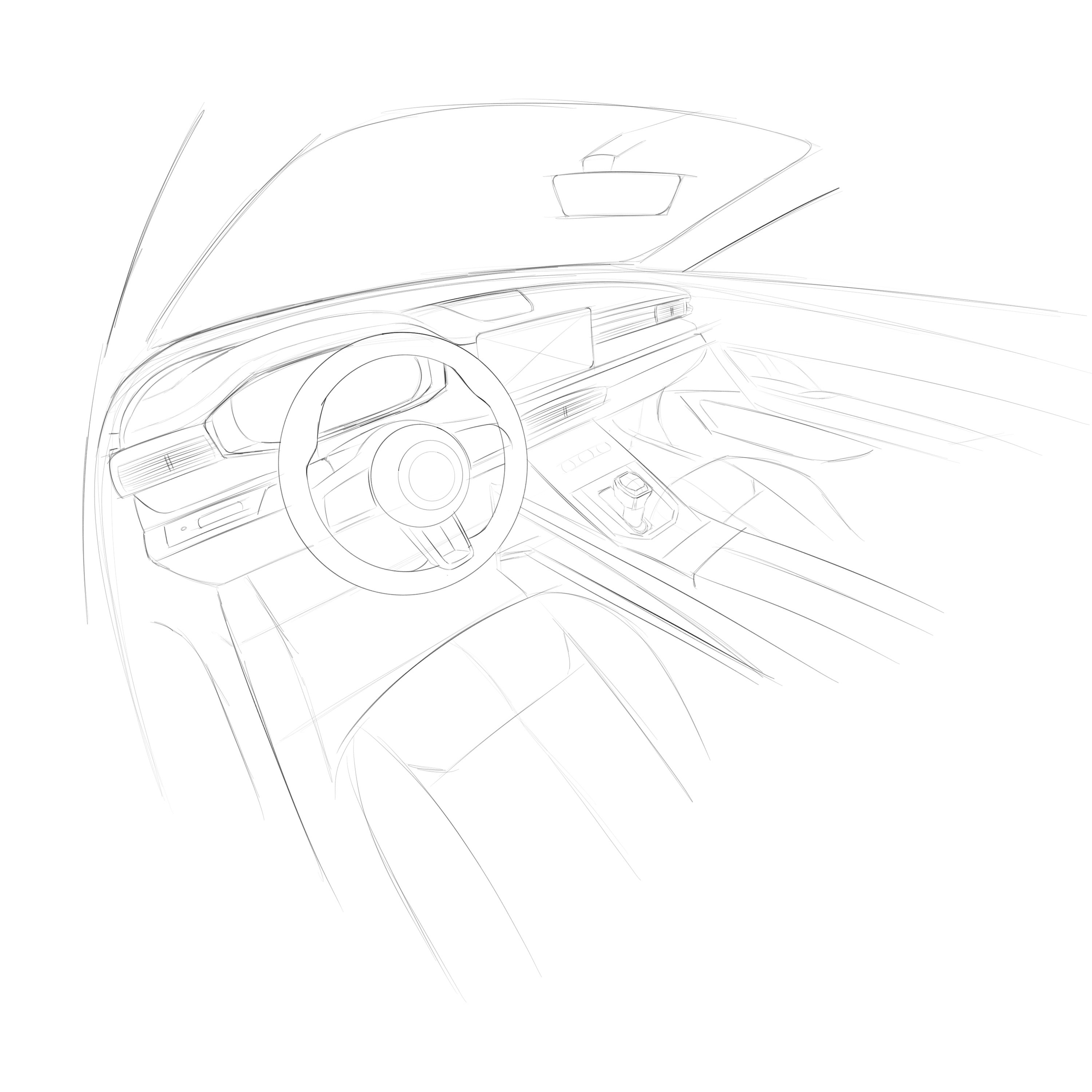
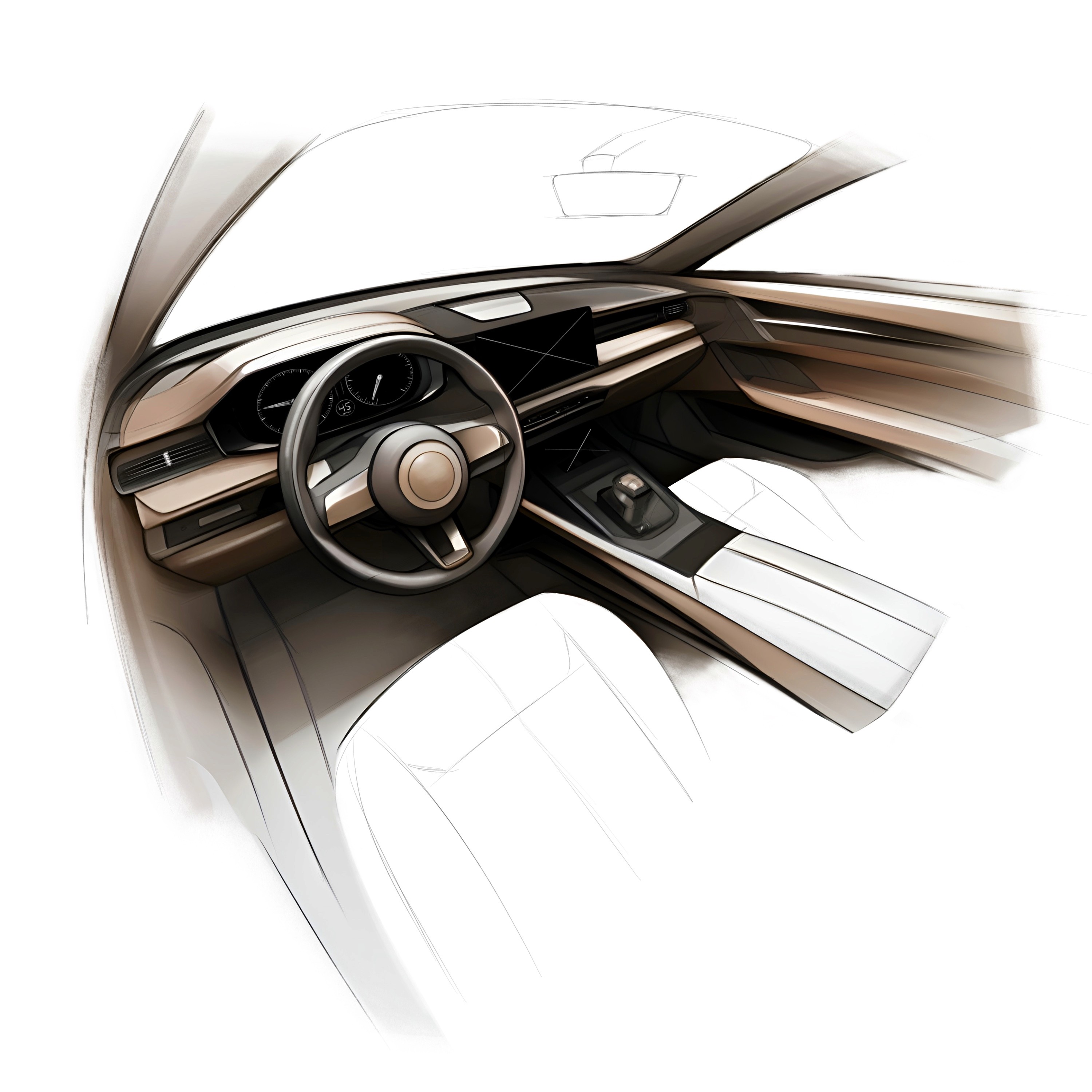
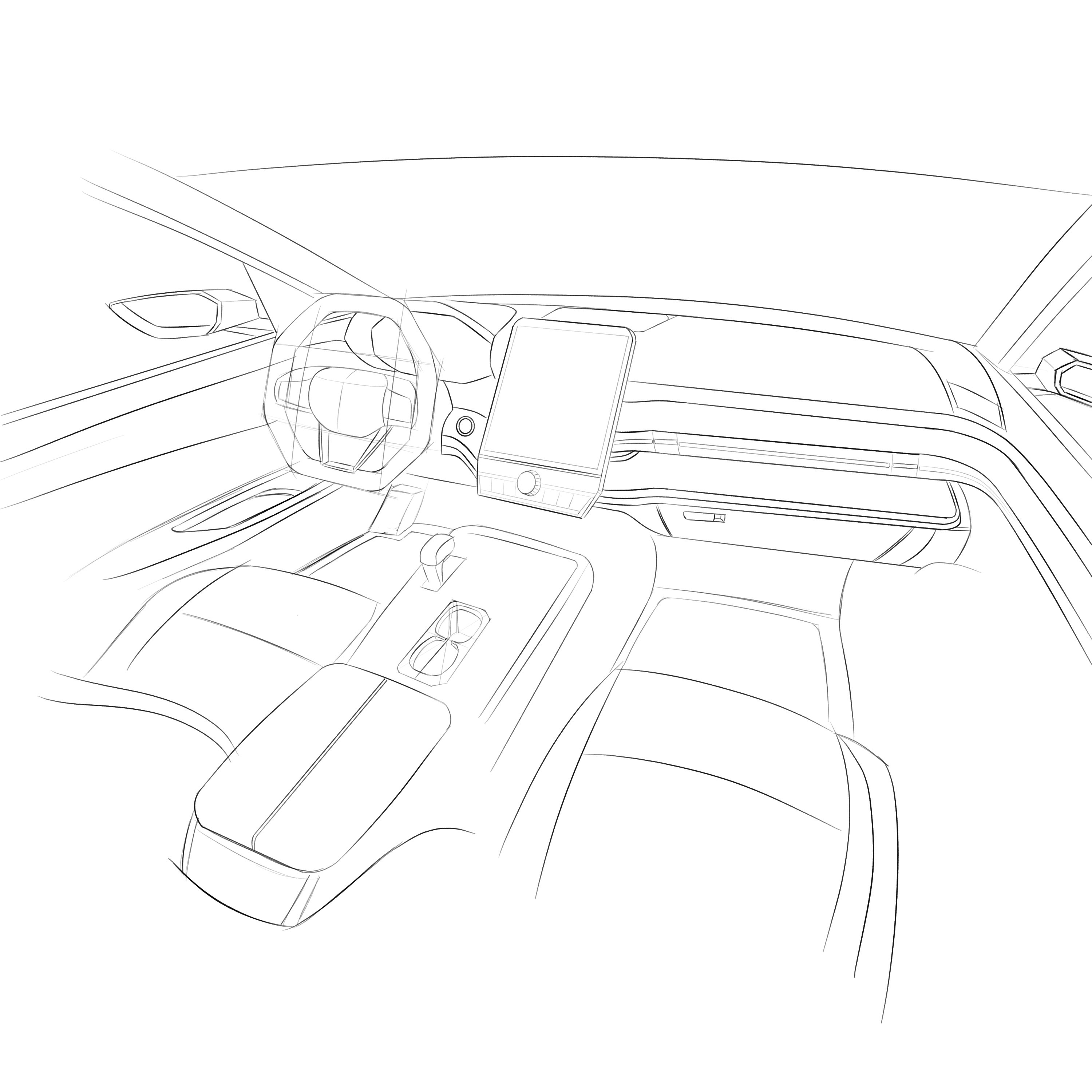
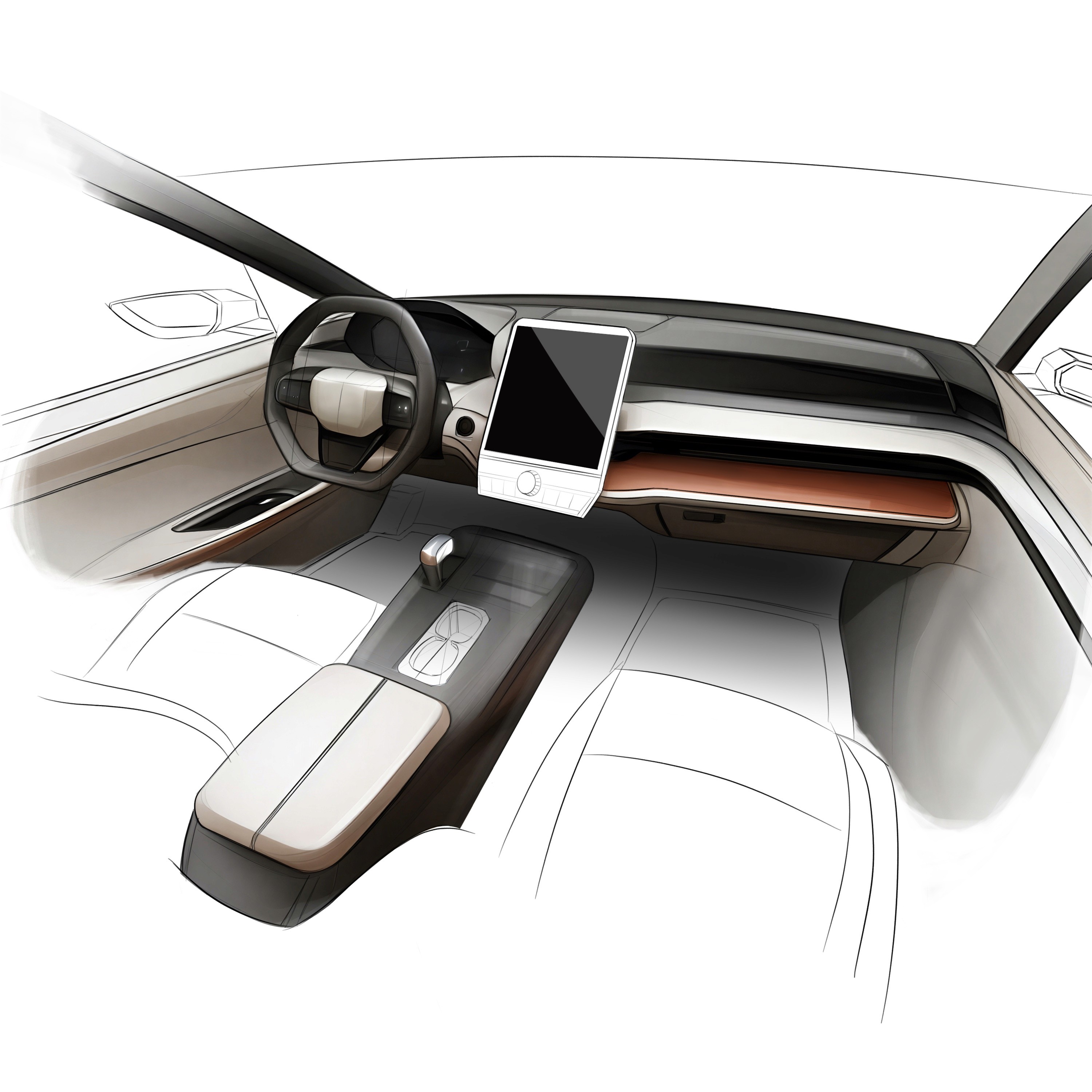
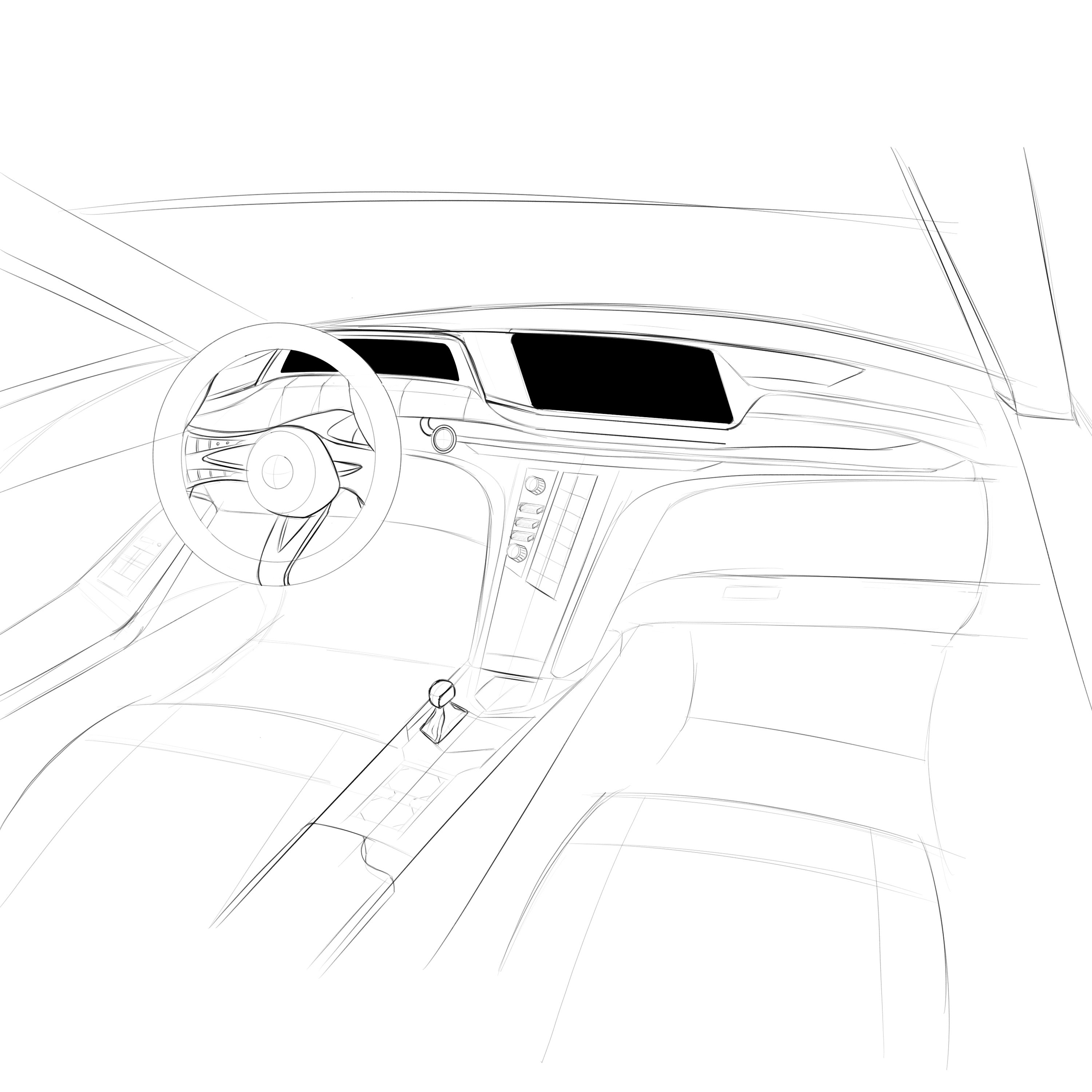
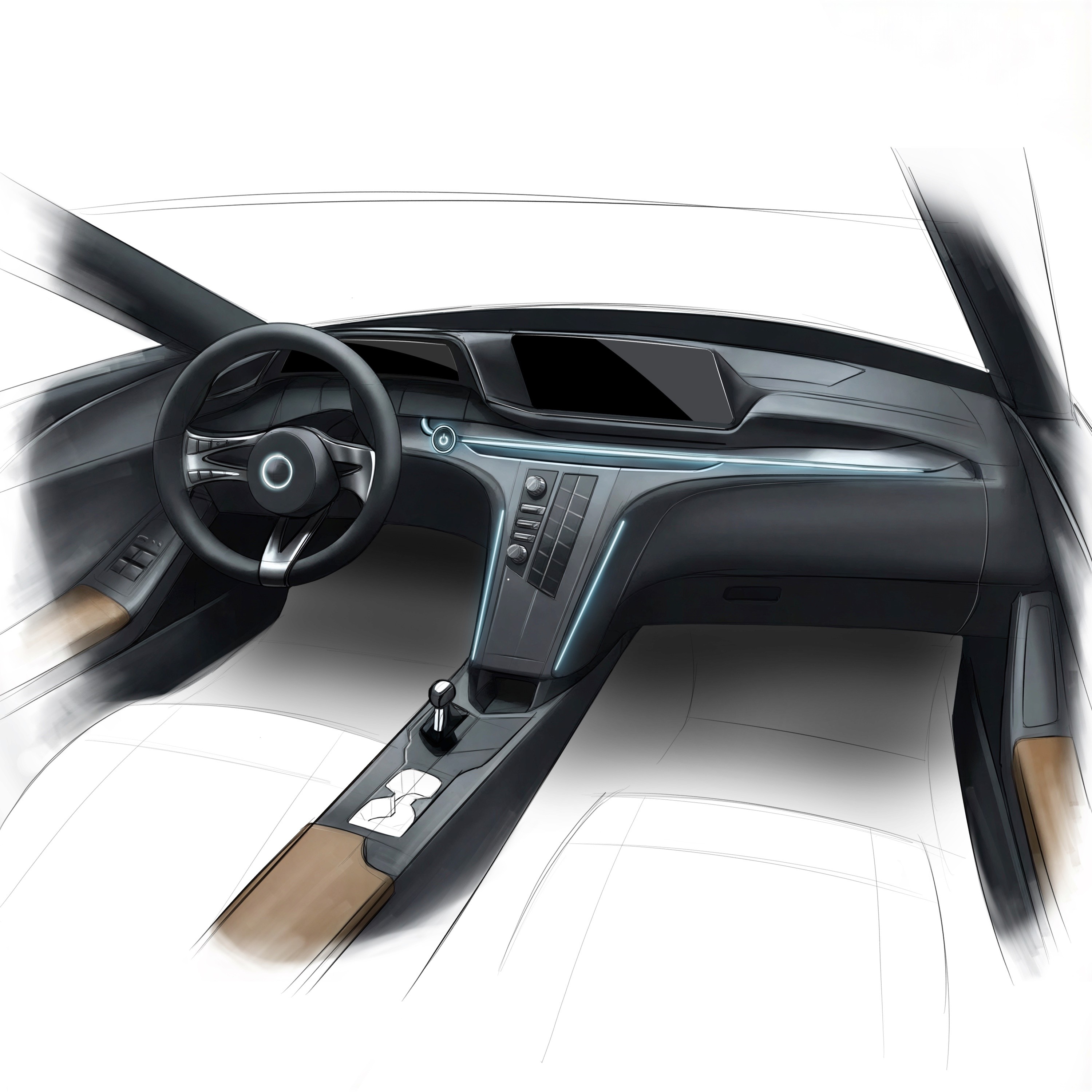
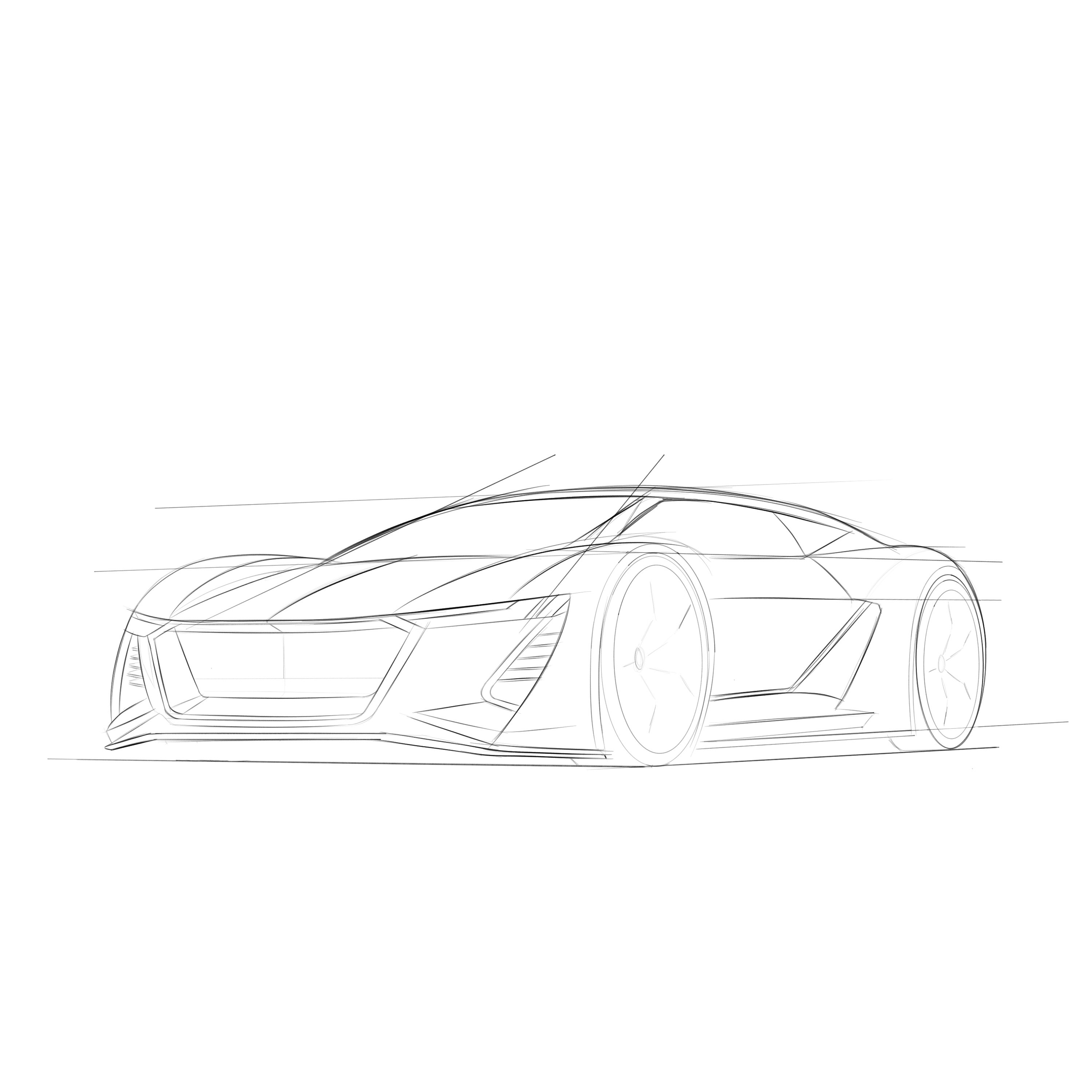
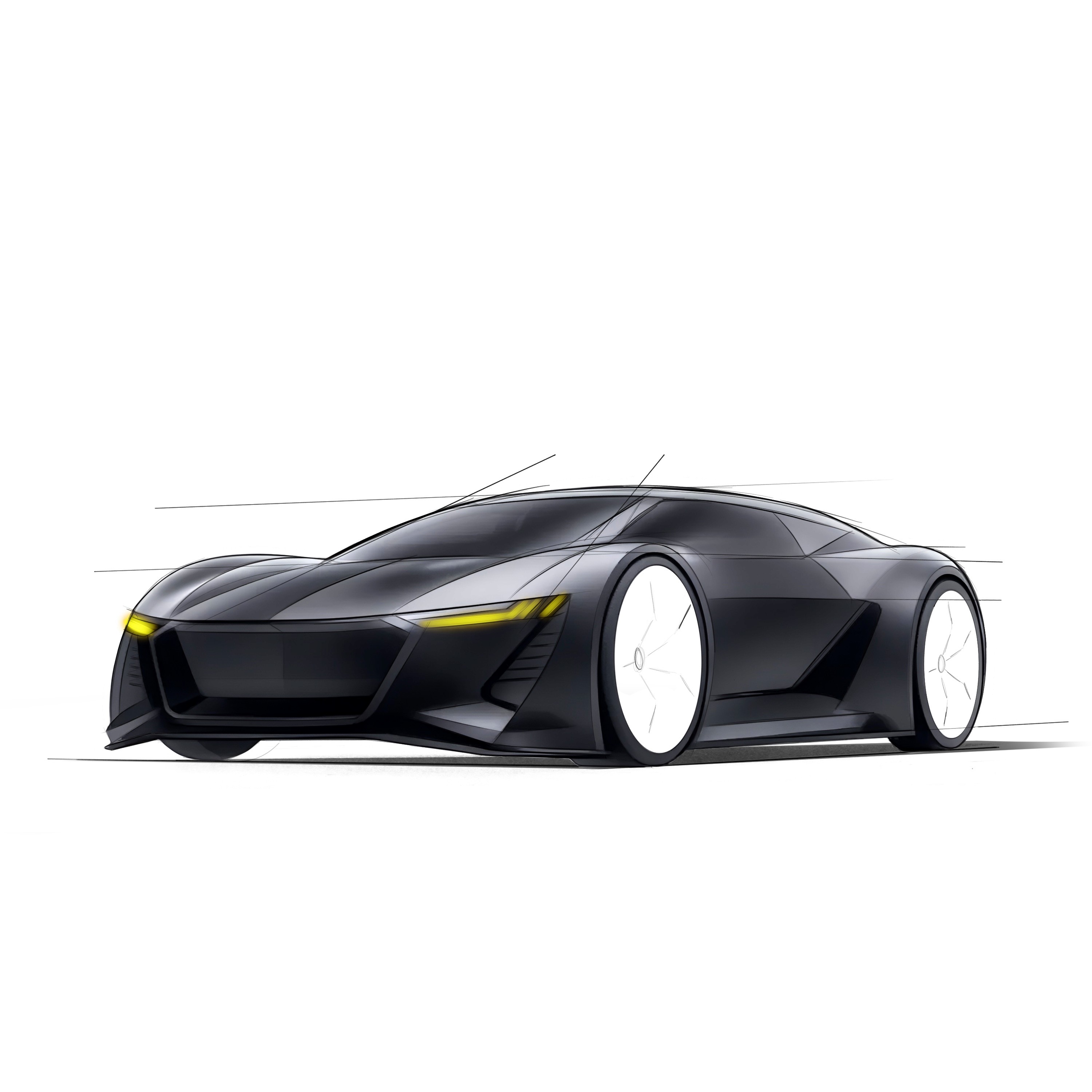
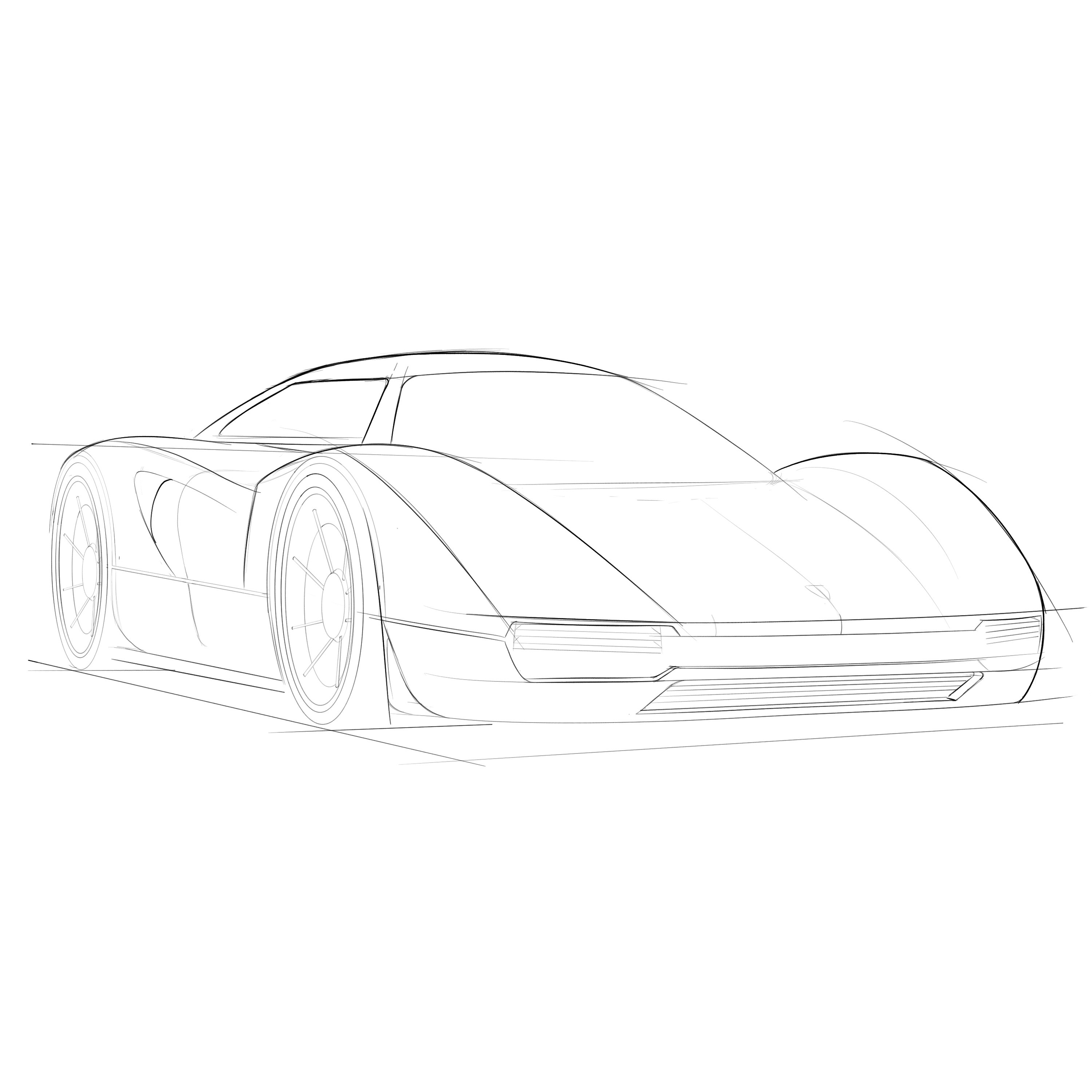
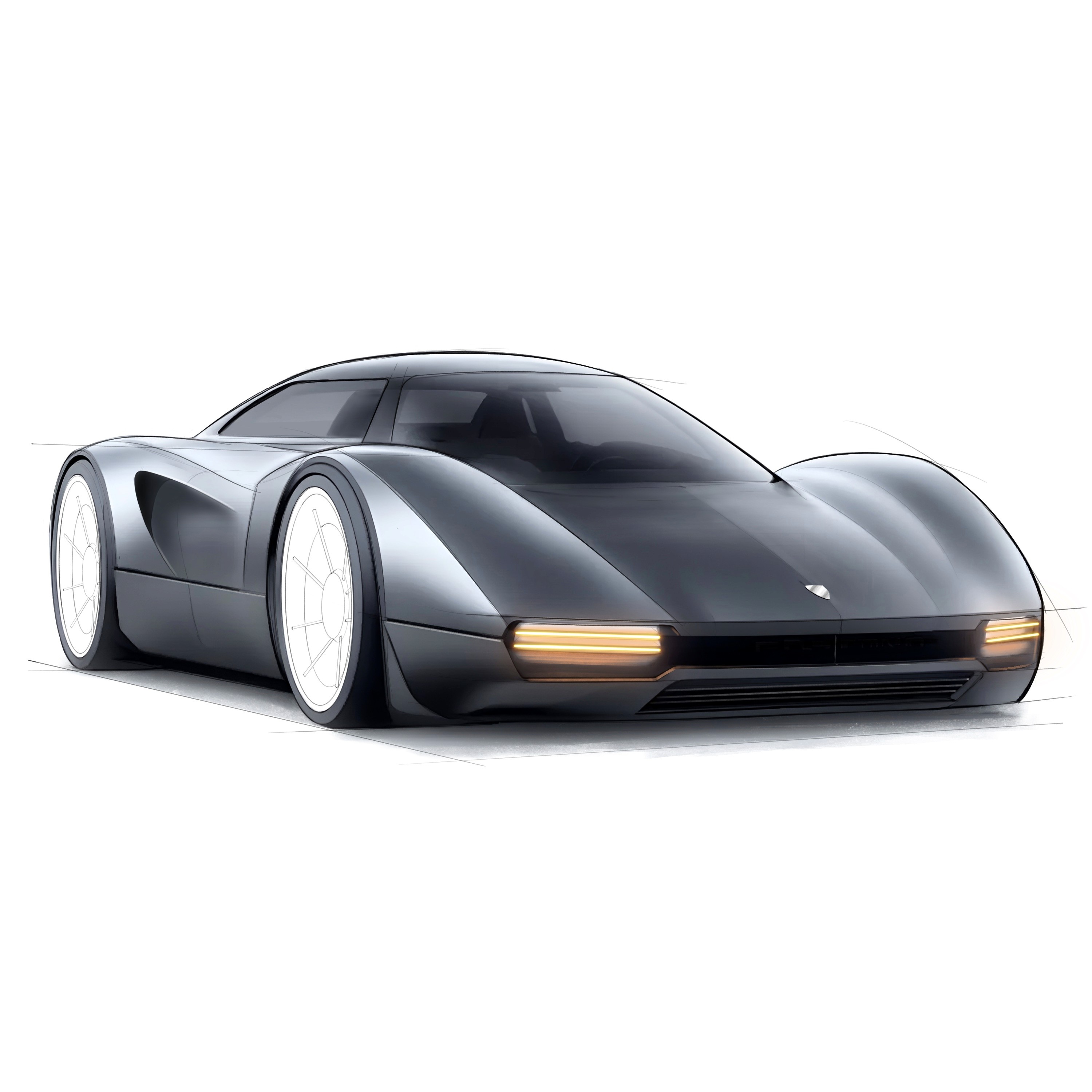
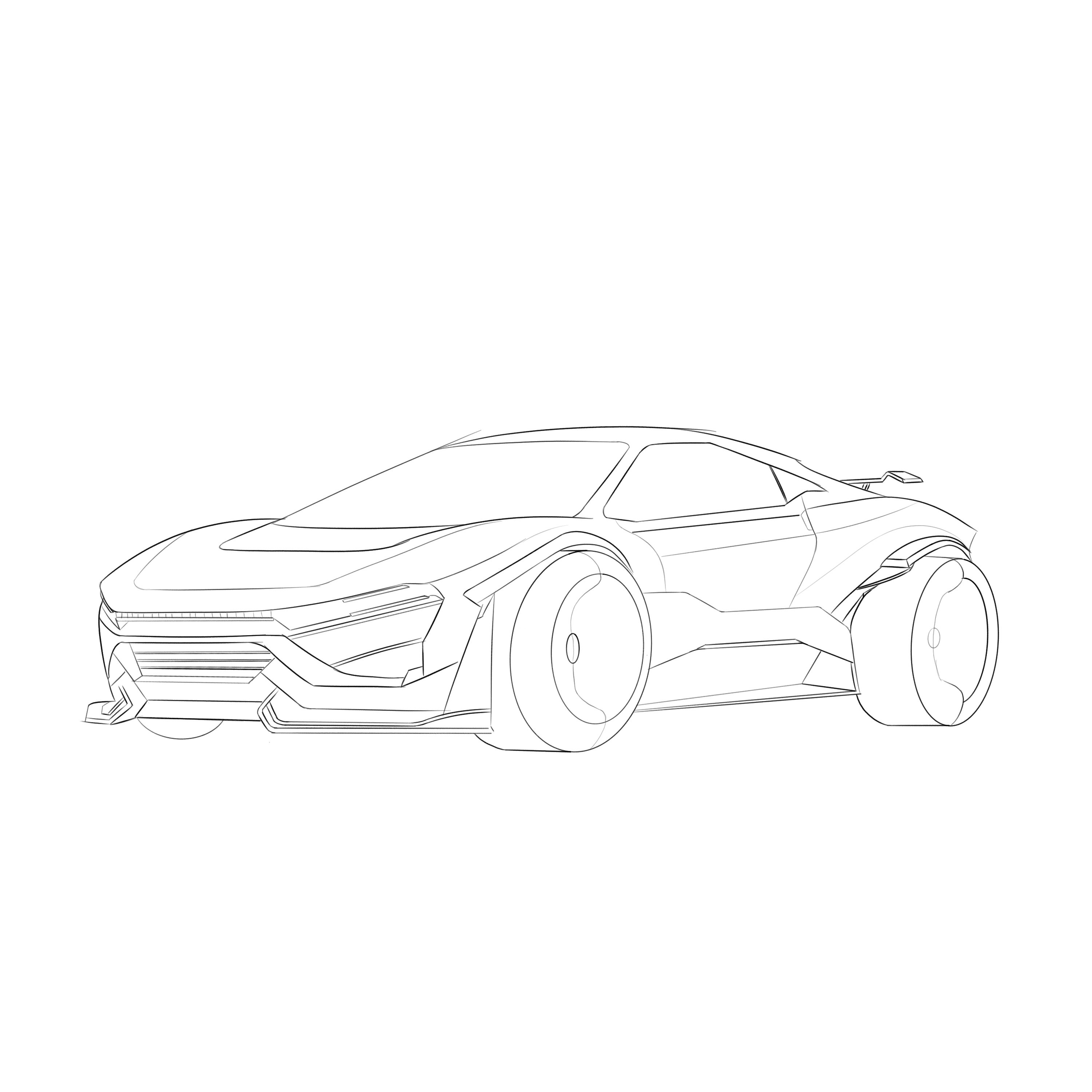
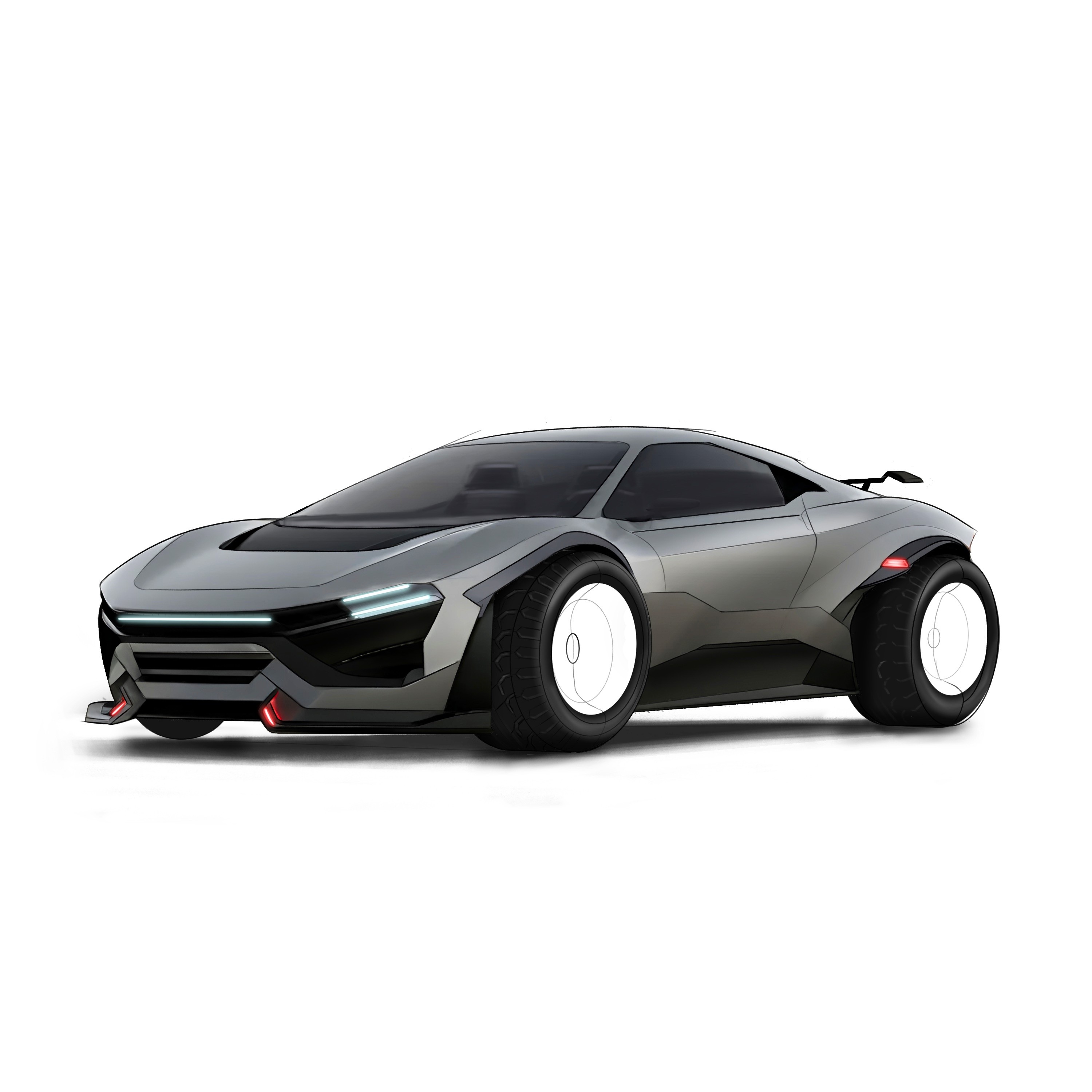
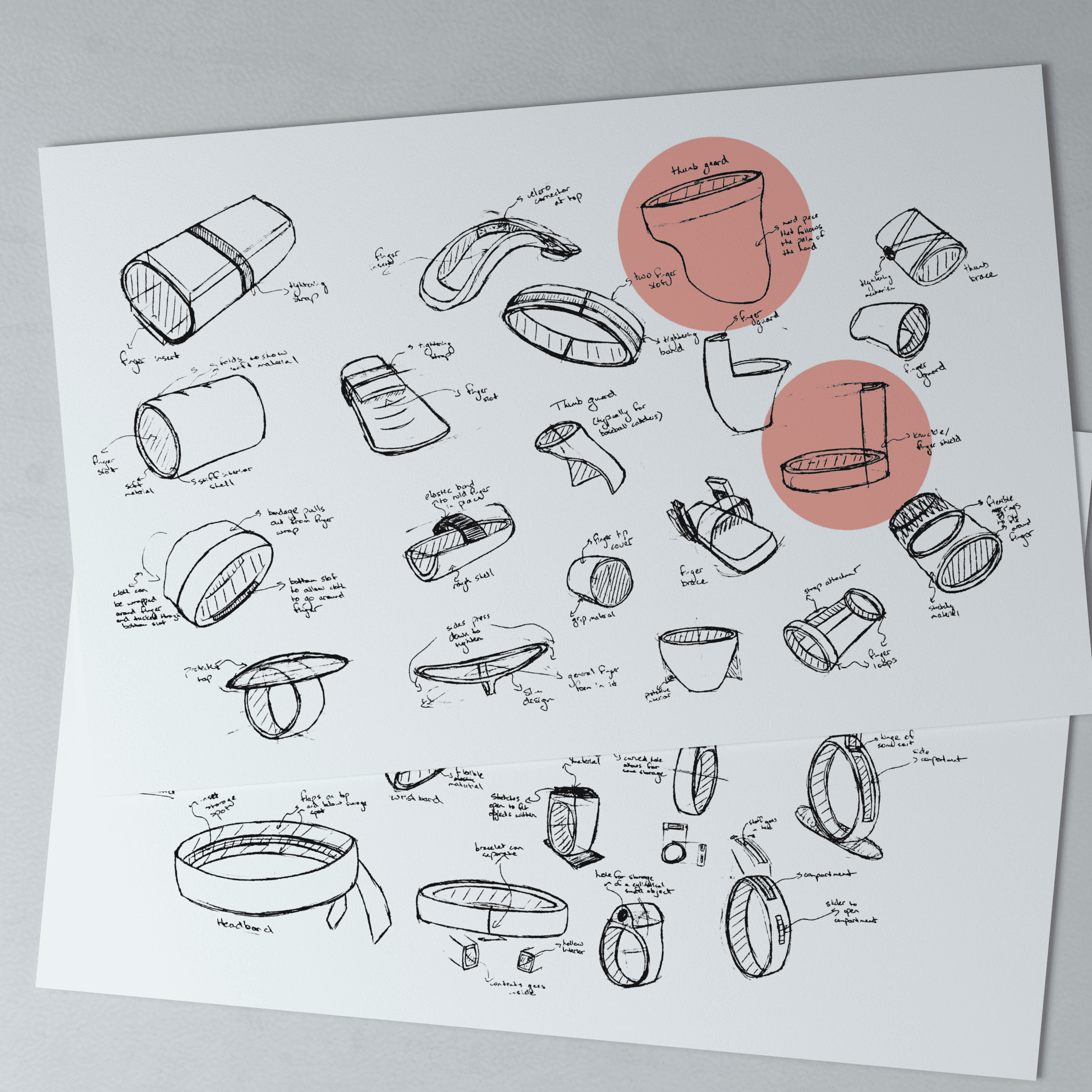
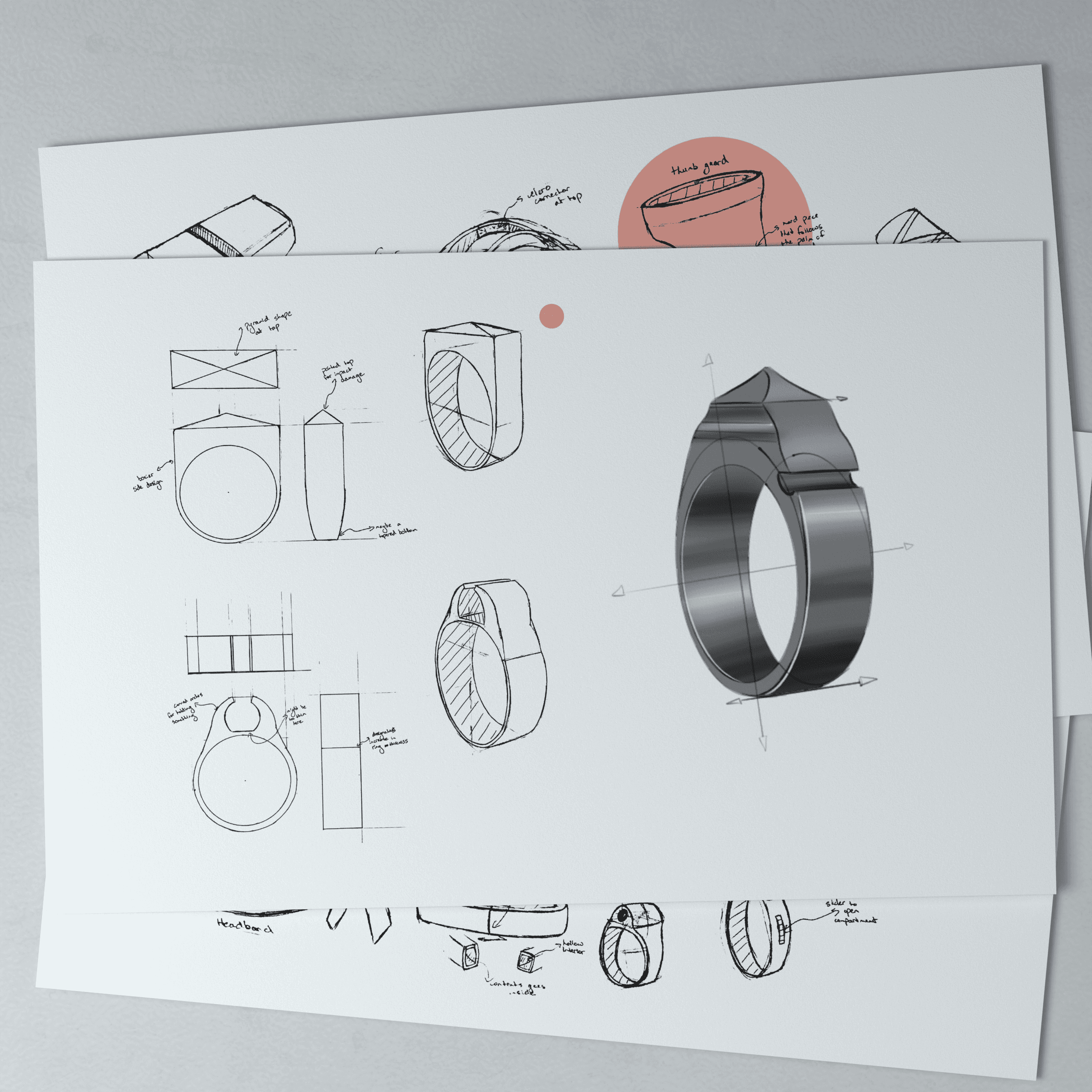
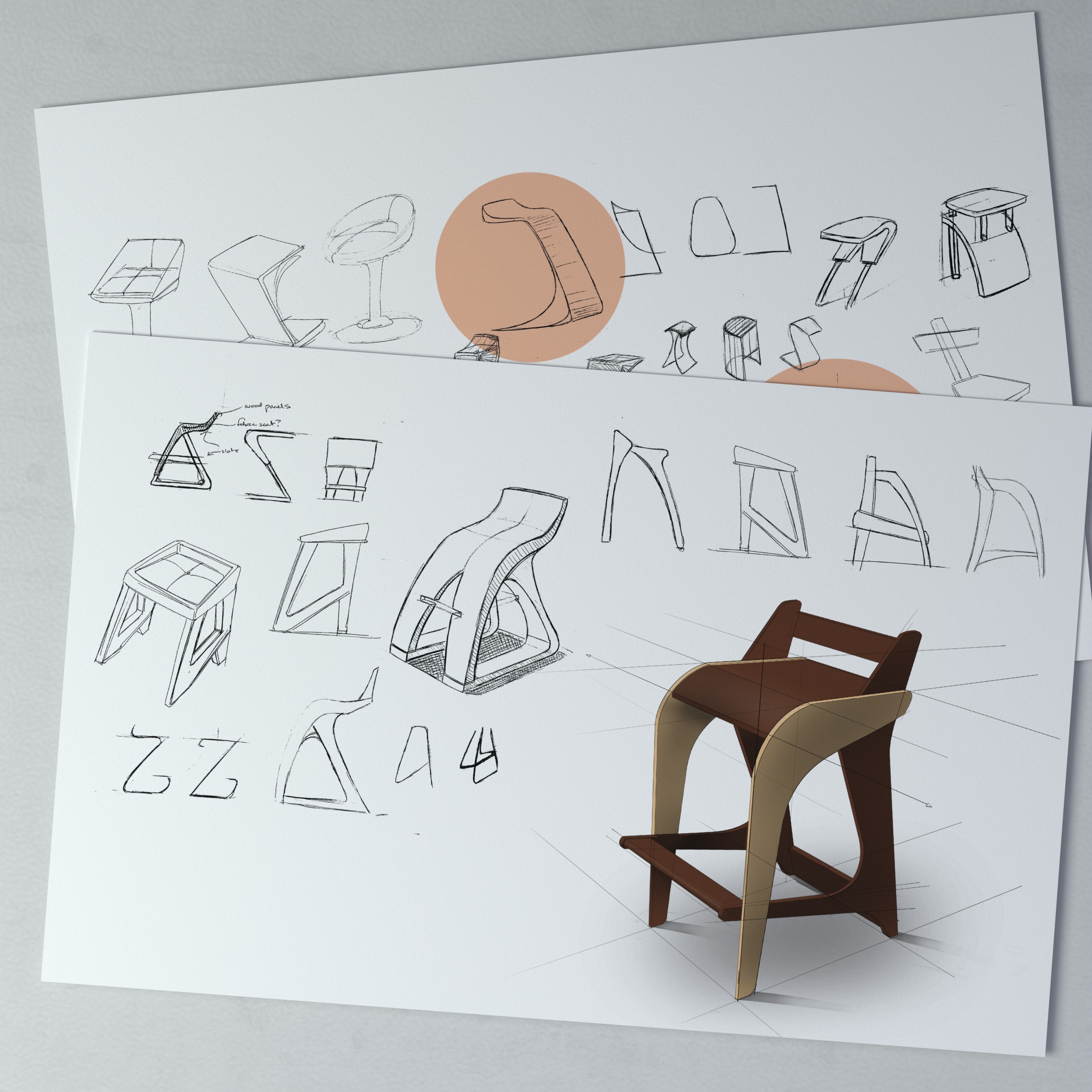
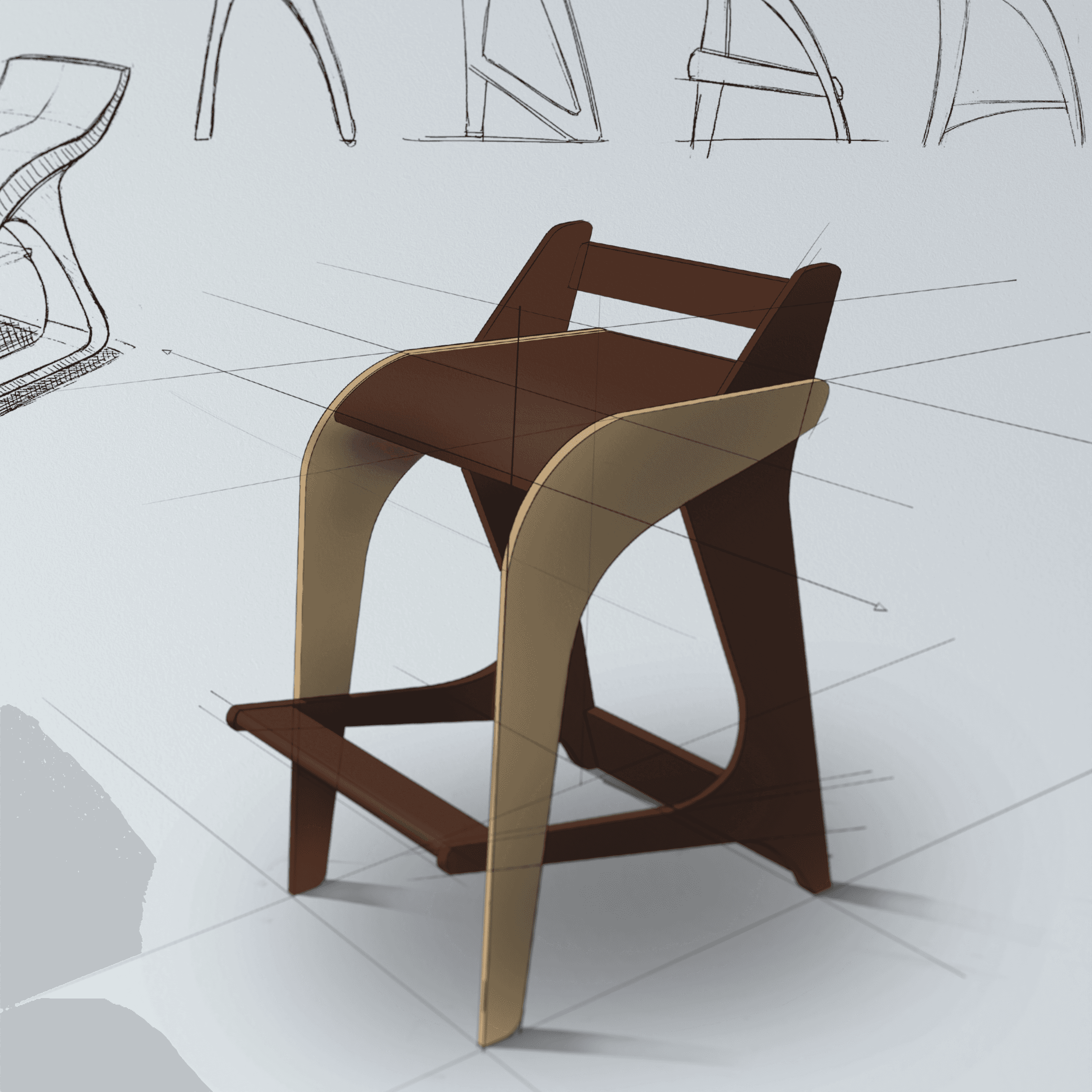
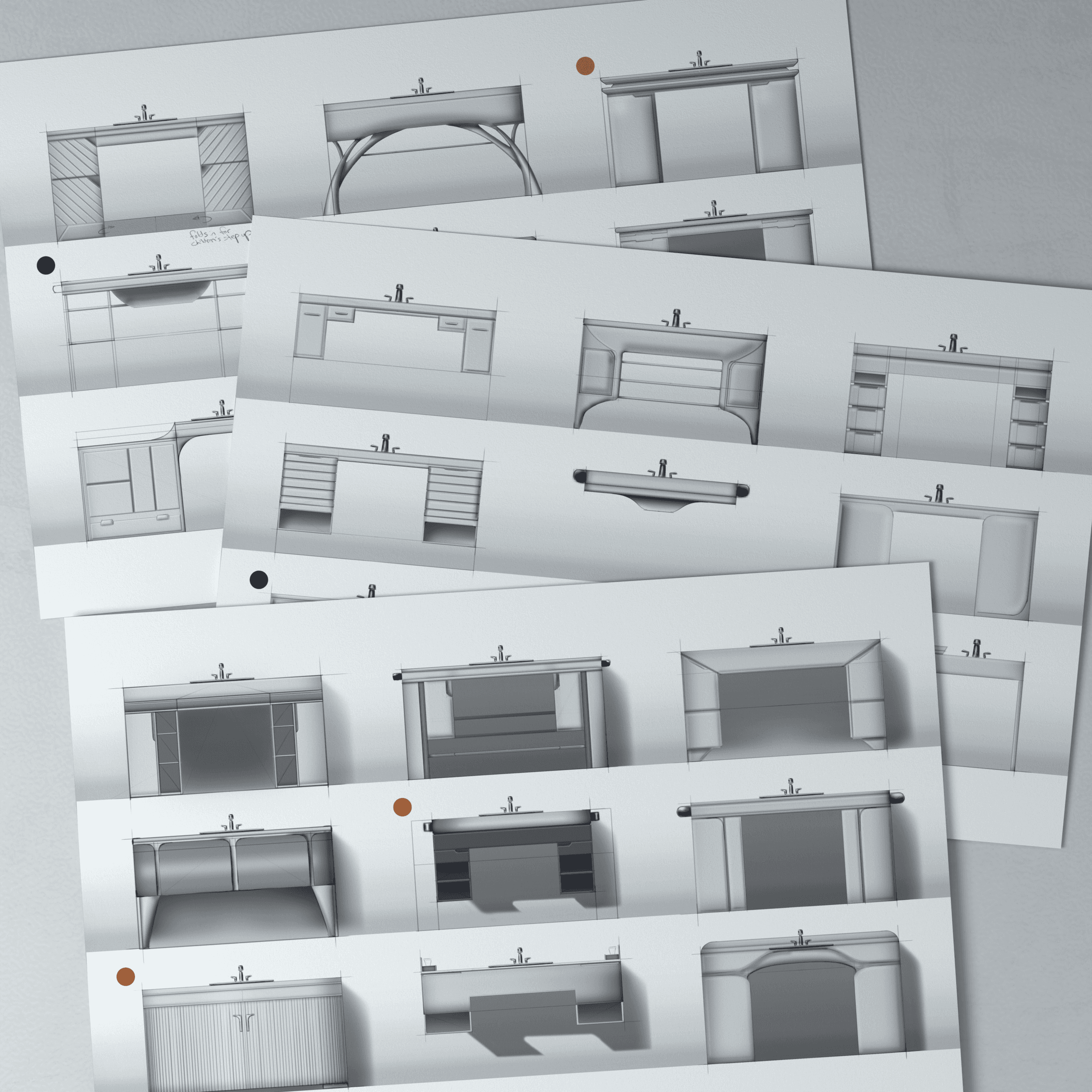
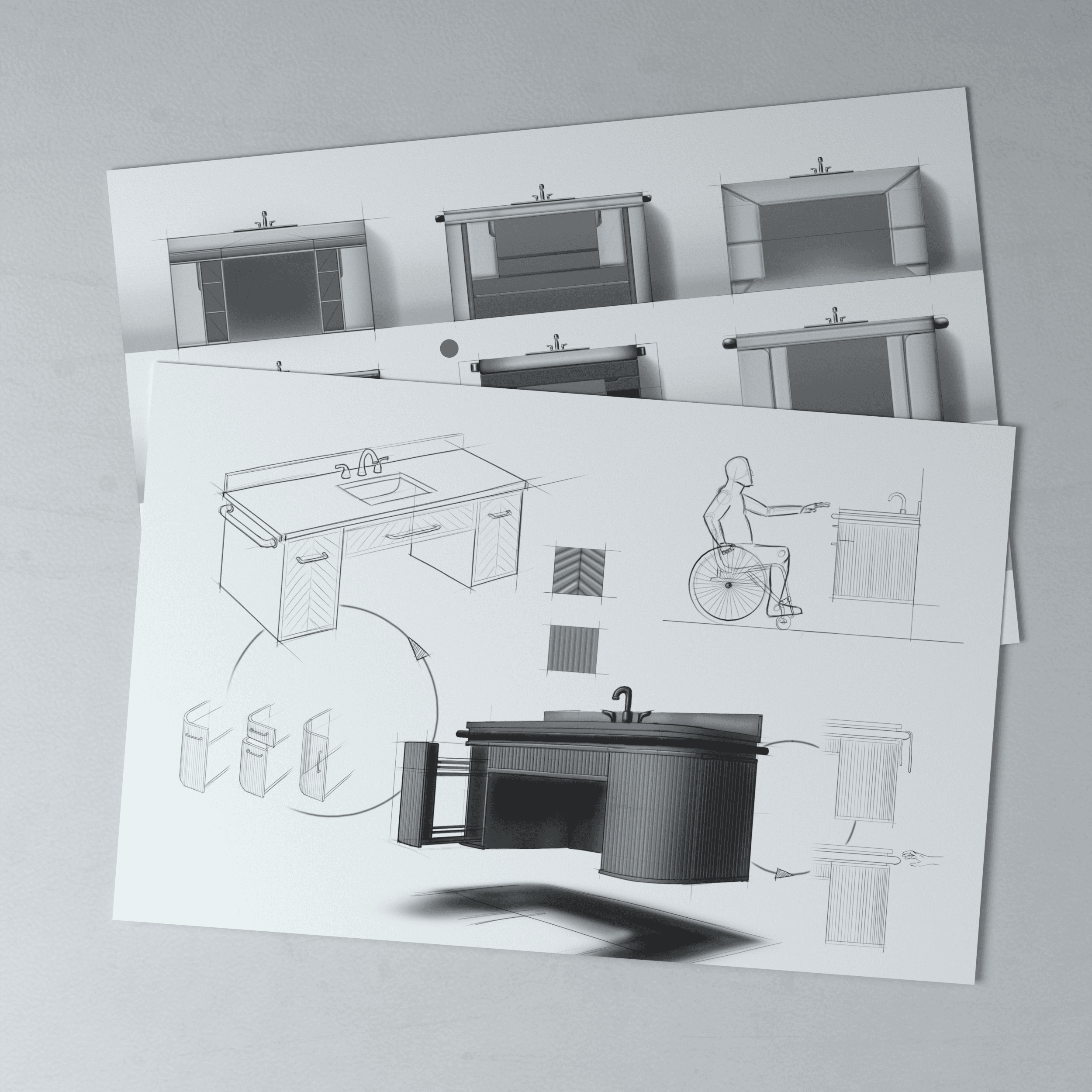
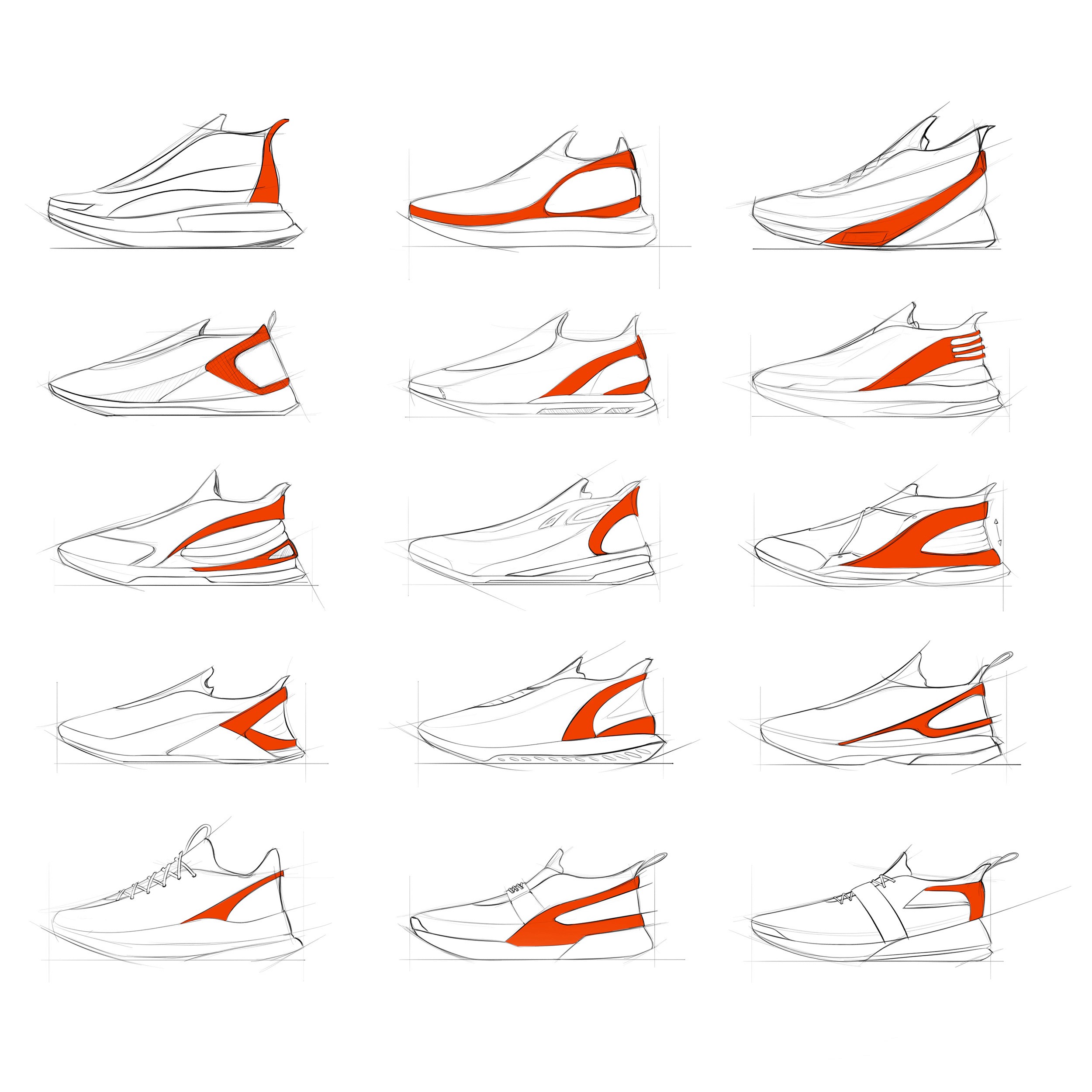
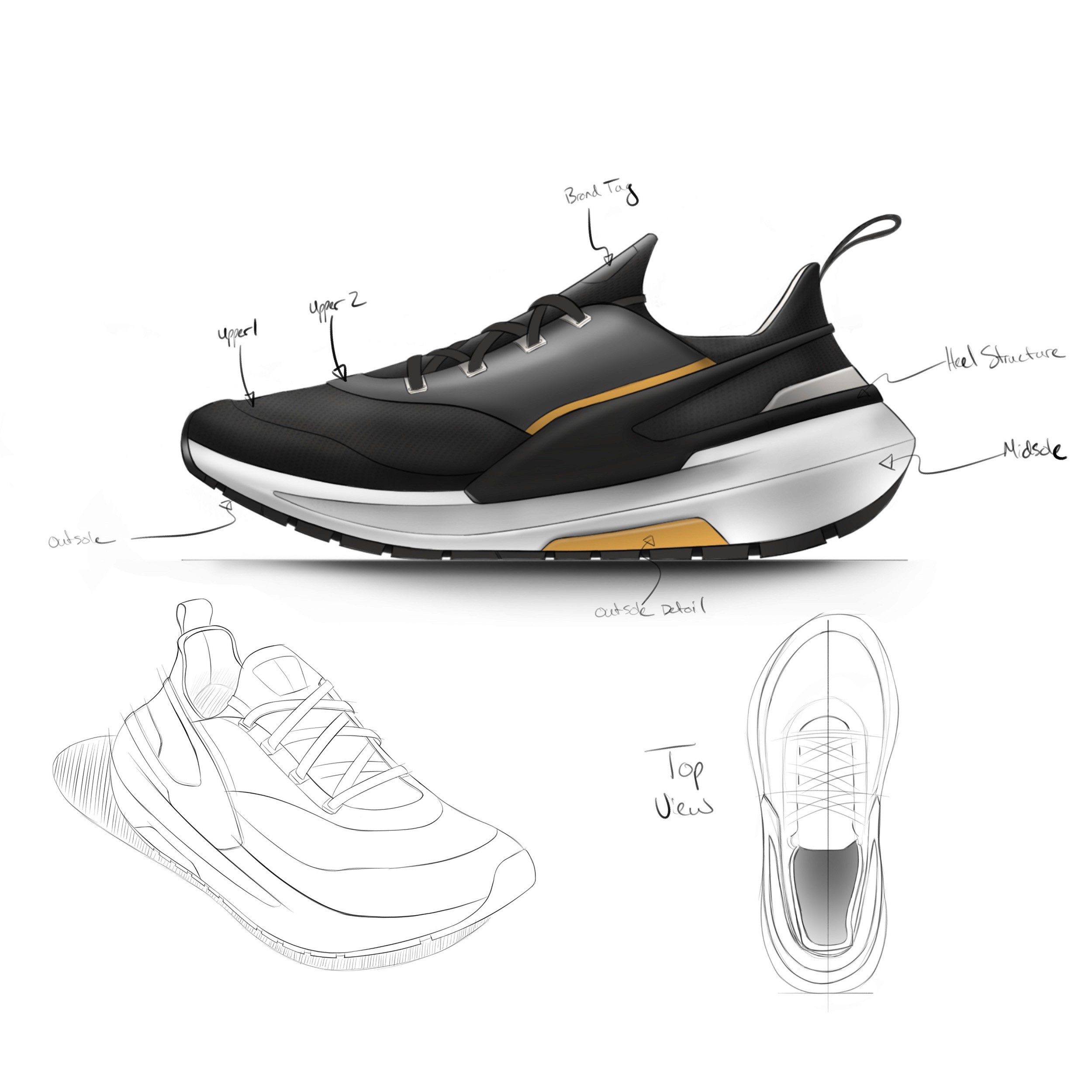
This page collects exploratory sketches developed across multiple projects and personal studies. The work focuses on rapid ideation, form exploration, and early spatial thinking.
The sketches explore proportion, interior layout, surface language, and early concept direction across a range of product categories.
The intent is to capture fast, iterative thinking and early design decision-making.
Personal and professional sketch work developed alongside active projects.
Pen
Marker
Digital Sketching
iterating on designs,
making high-fidelity prototype
All about the user :
Research focused on understanding how Gen-Z passengers might use time inside a fully autonomous vehicle when driving is no longer required. Insights emphasized the need for flexibility, intuitive control, and experiences that support both productivity and rest within the same journey.
Moodboards were used to establish a retro-futuristic aesthetic blended with a sense of tranquil luxury. This visual direction helped guide material choices, lighting tone, and the overall emotional character of the interior.

Current vehicle interiors remain driver-centric, limiting meaningful passenger engagement.
Existing HMI systems lack adaptability for different activities and mental states.
Commute time often feels underutilized or disconnected from passengers’ goals
Enable seamless transitions between work and rest activities
Provide passengers with intuitive, real-time control over information and environment
Use multi-sensory feedback to reinforce awareness, comfort, and confidence
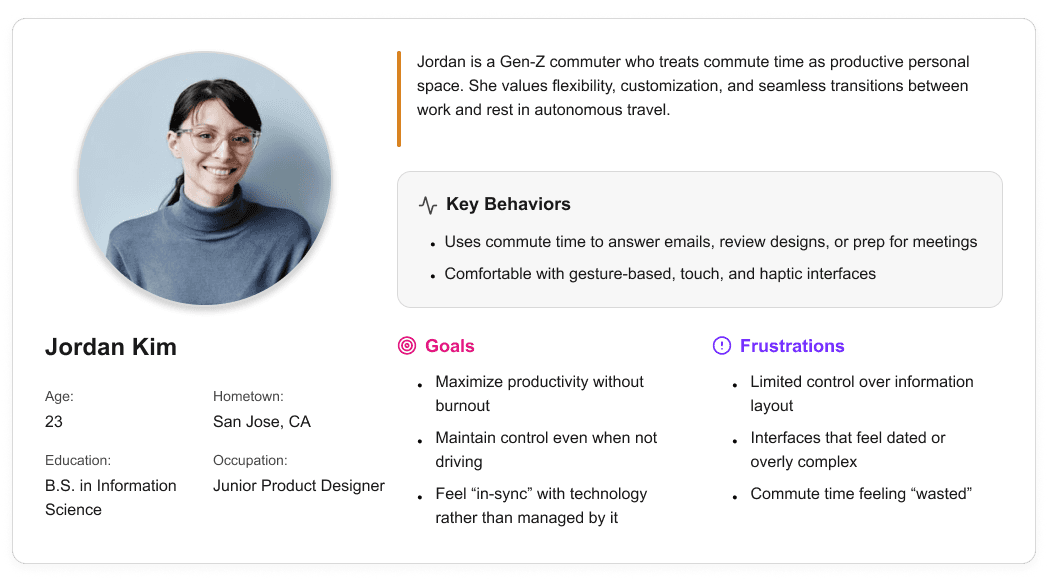
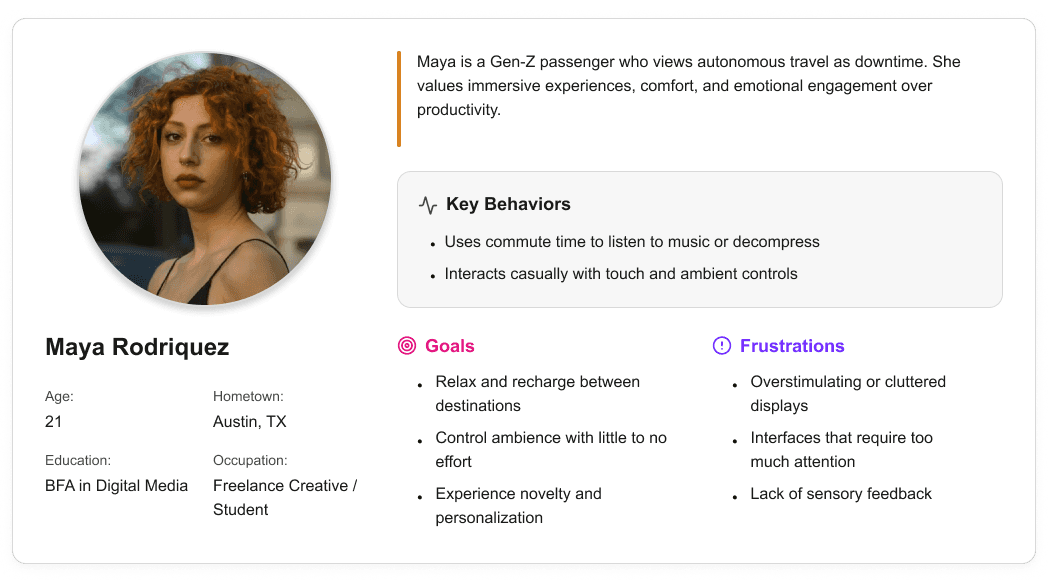
User personas were created to represent distinct Gen-Z passenger behaviors and expectations within a fully autonomous vehicle. These personas helped guide experience decisions by balancing productivity-focused and rest-focused use cases throughout the interior and HMI system.

It is the series of experiences Carlos has as he achieve a specific goal. It was built on the his experience.
I developed a user journey map of Carlos's experience with the app to highlight potential pain points and identify areas for improvement.
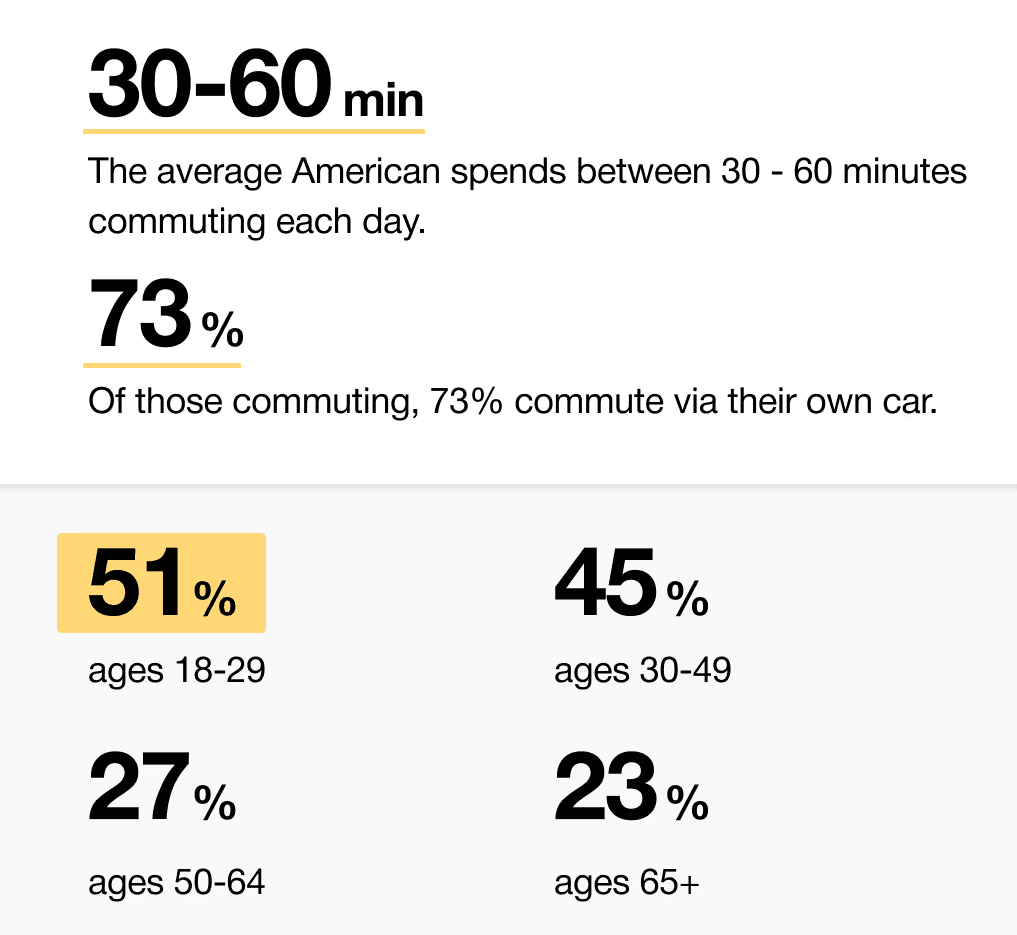
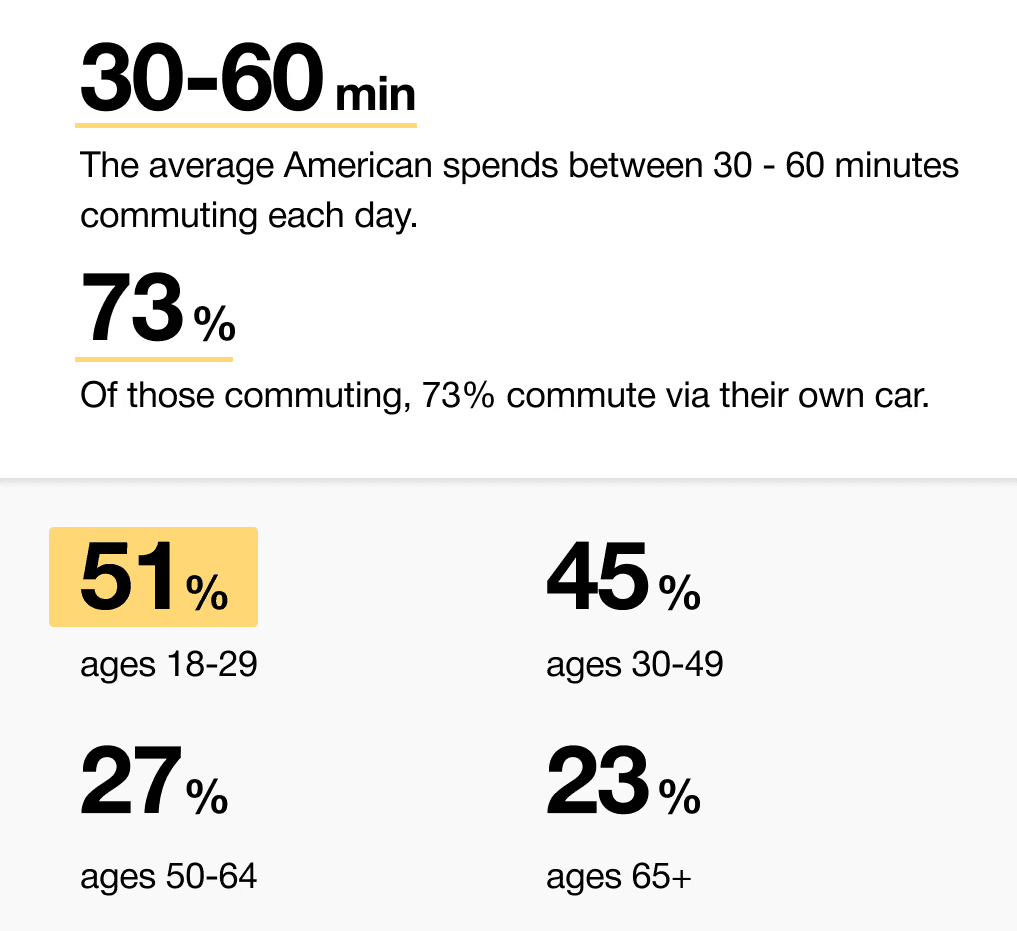
When we look at the most common reasons people are in their vehicles, commuting to and from work is one of the most popular. While there are others, we decided to pursue this use case because we believe most people would wish to spend this time doing other things.
51% of Americans ages 18-29 say they would ride in a driverless vehicle if they had the opportunity. So, now we can narrow our user group further to Gen-Z commuters.
It is the series of experiences Carlos has as he achieve a specific goal. It was built on the his experience.
I developed a user journey map of Carlos's experience with the app to highlight potential pain points and identify areas for improvement.
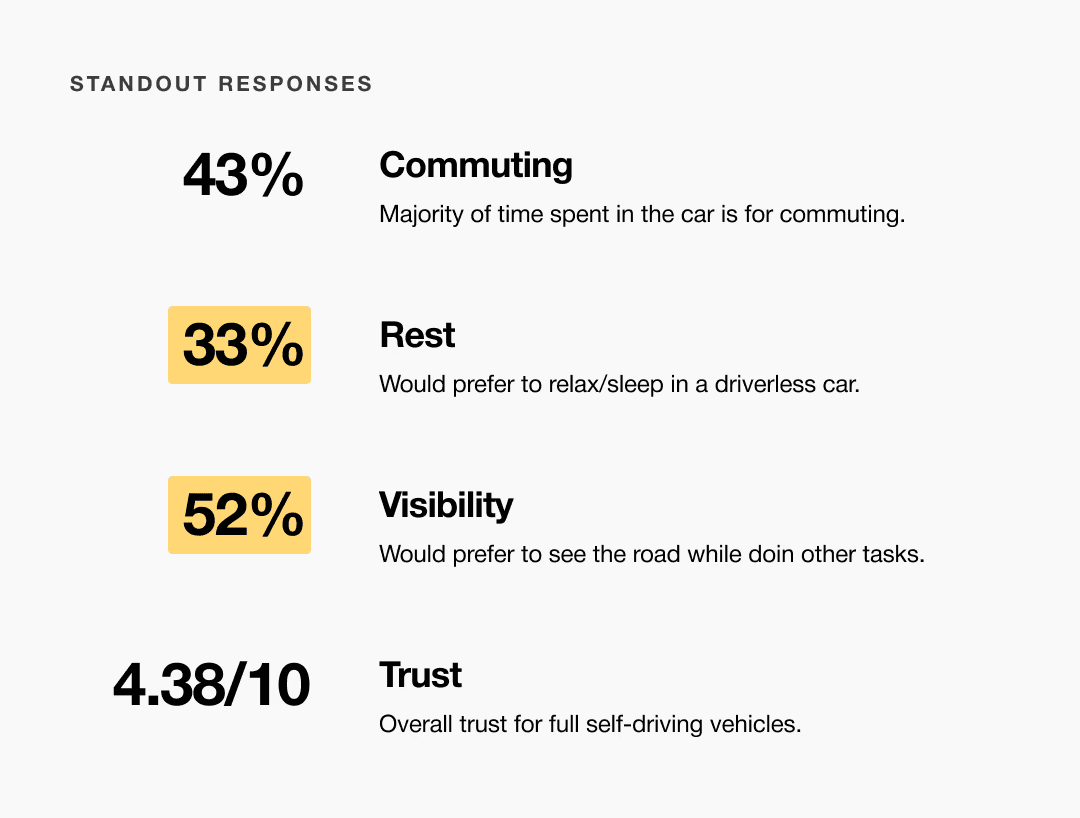
After figuring out our user group, we created a survey for Gen-Z commuters to help draw out insights that might lead to design opportunities. This survey was equipped with two different types of questions:
Current driving questions
Future thinking, Level 5 questions
It is the series of experiences Carlos has as he achieve a specific goal. It was built on the his experience.
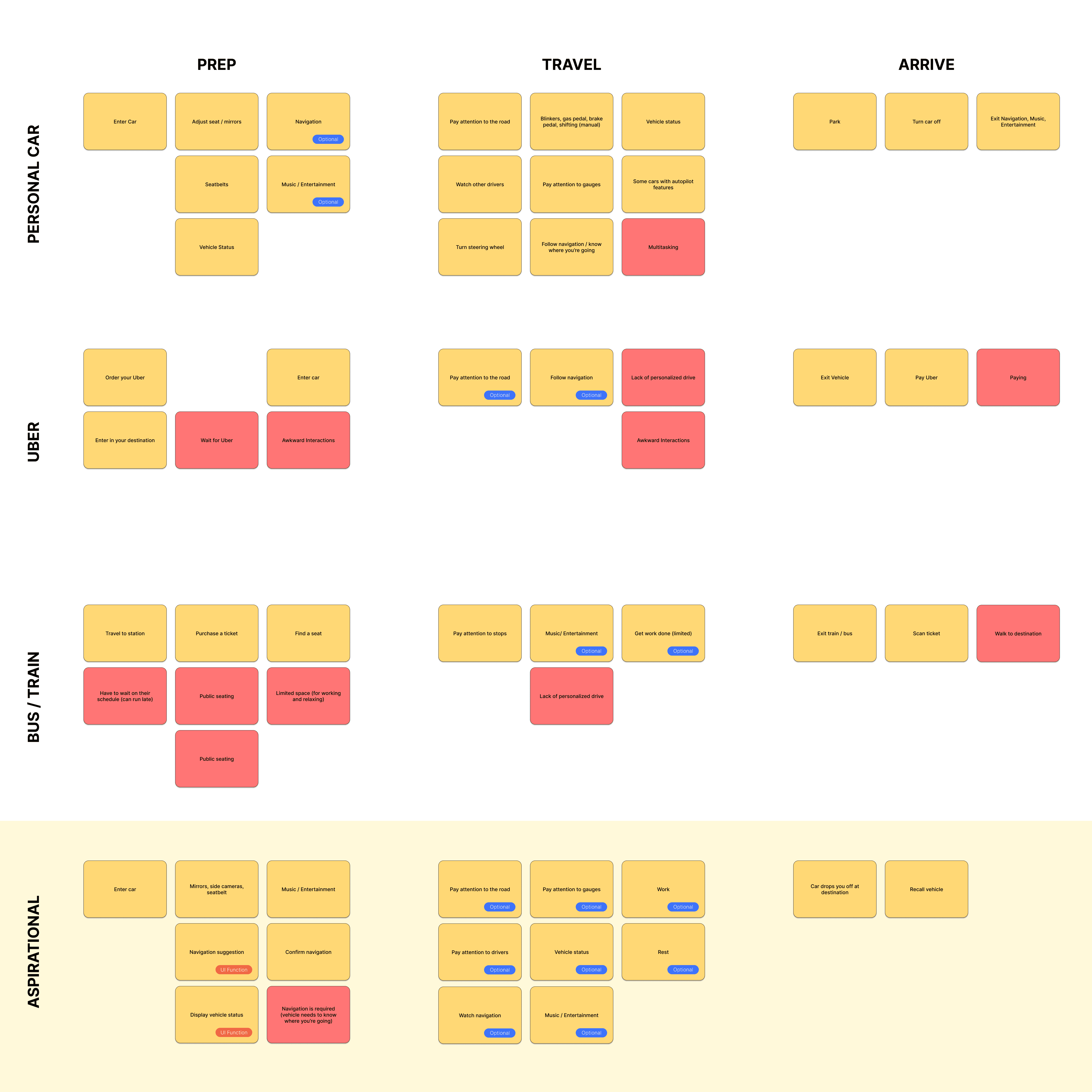
We compared the typical journey and actions performed for three different modes of transportation and even pointed out some pain points for each. A personal car requires the user’s attention for the entirety of getting from point A to B, and is even required to do a good bit of multitasking at times. However, this is their personal vehicle and is private to them. An uber and bus are similar in that the user has no driving tasks to worry about, but it is no longer a personalized experience; they are in a public space.
A fully autonomous vehicle can give you the best of both worlds. You can have your own personal space while the car does all the driving for you.
The question then becomes: What do you do with the time you spend riding in this vehicle?
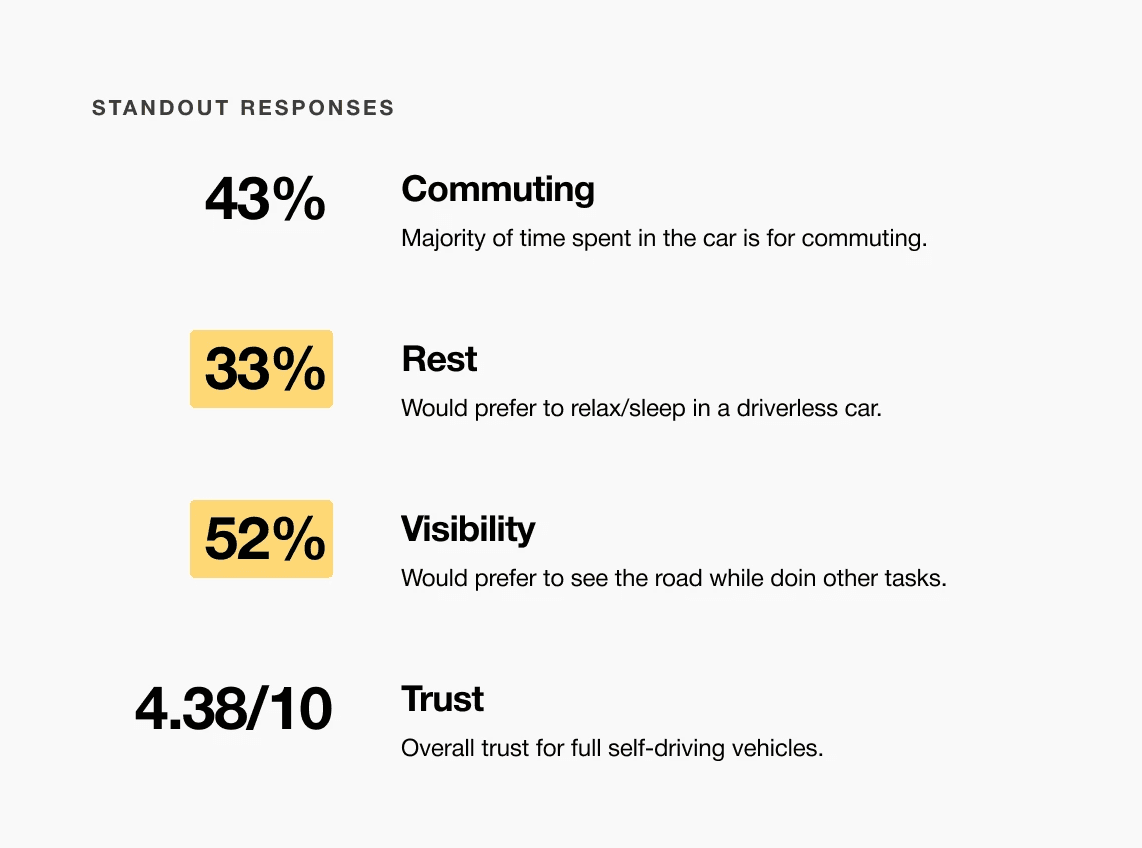
A slight majority of surveyors would like to rest in a driverless car, but getting additional work done was a close second.
Visibility to the road is important to surveyors, so the HUD should not clutter their view.
Commute time often feels underutilized or disconnected from passengers’ goals
It is the series of experiences Carlos has as he achieve a specific goal. It was built on the his experience.
For Gen-Z commuters, our HMI system offers real-time interactive display and haptic feedback controls while providing both work and rest activities. It enhances the visual experience and control options for passengers in a fully autonomous vehicle.
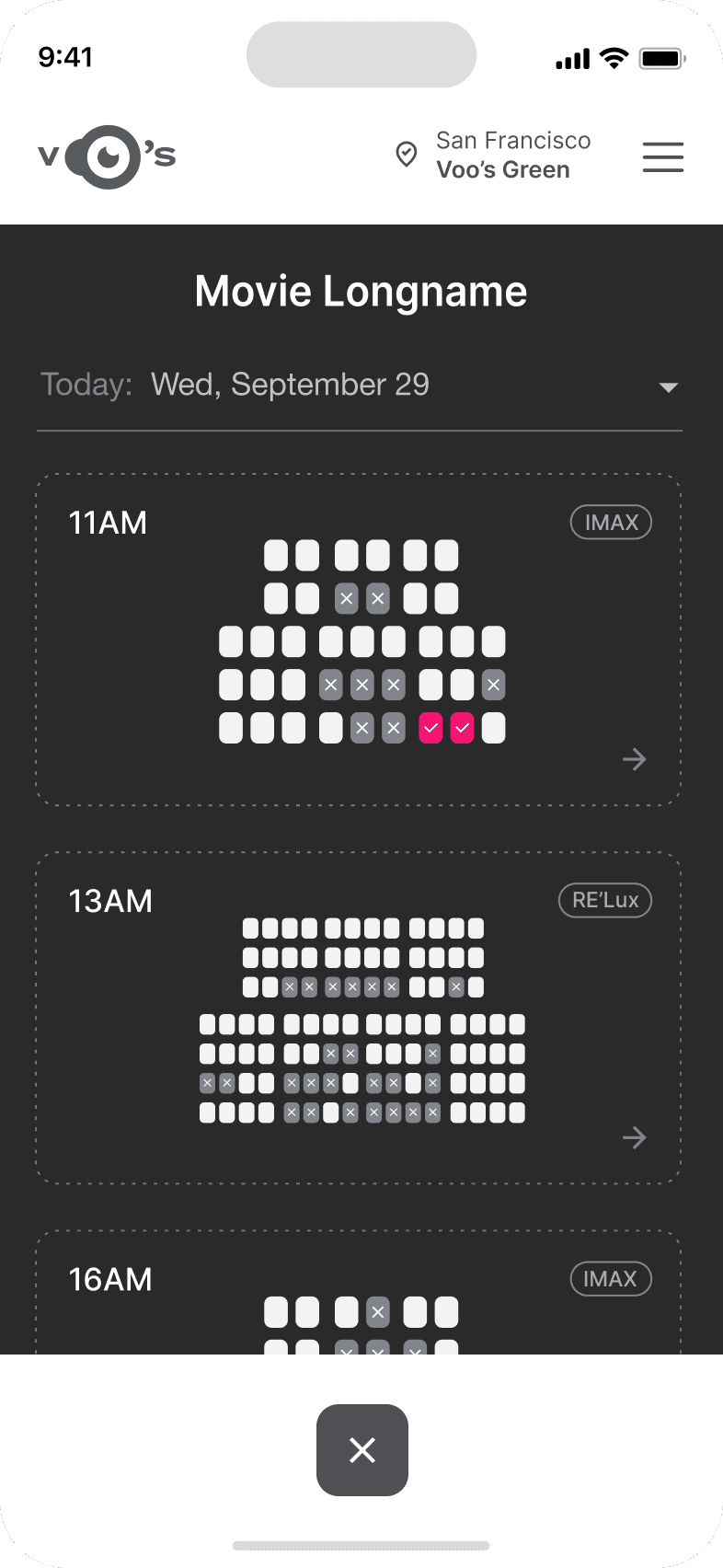
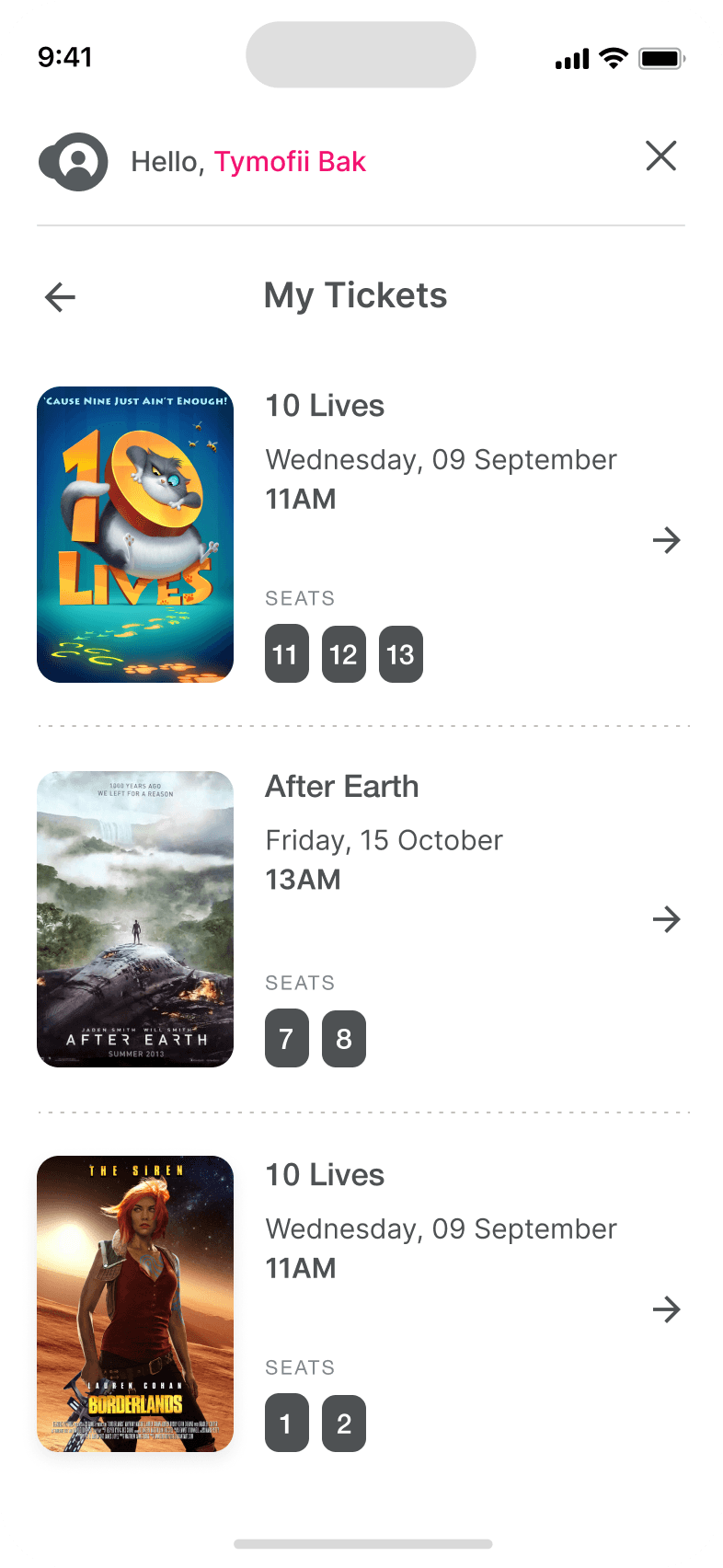
Choose a good movie in a cinema theatre nearby and select seats in an app in a fast and clear way
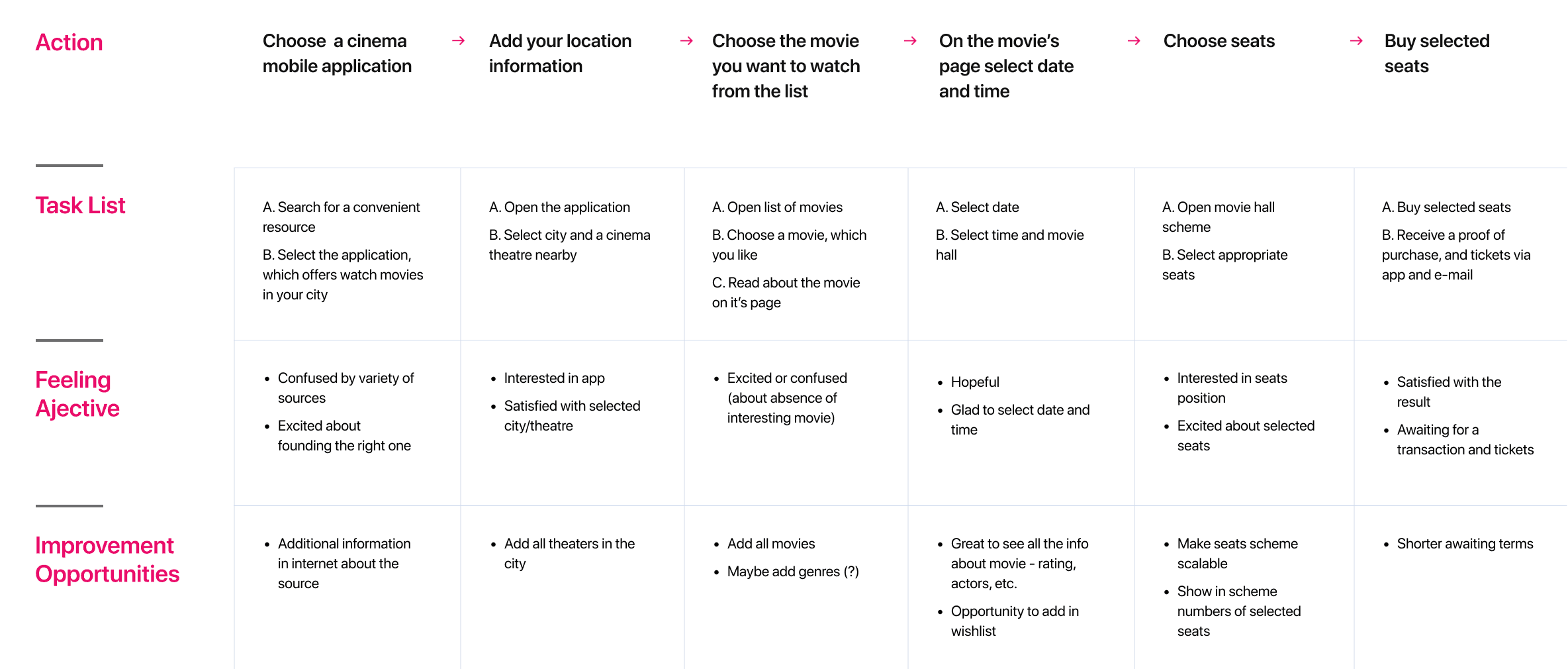
It is the series of experiences Carlos has as he achieve a specific goal. It was built on the his experience.
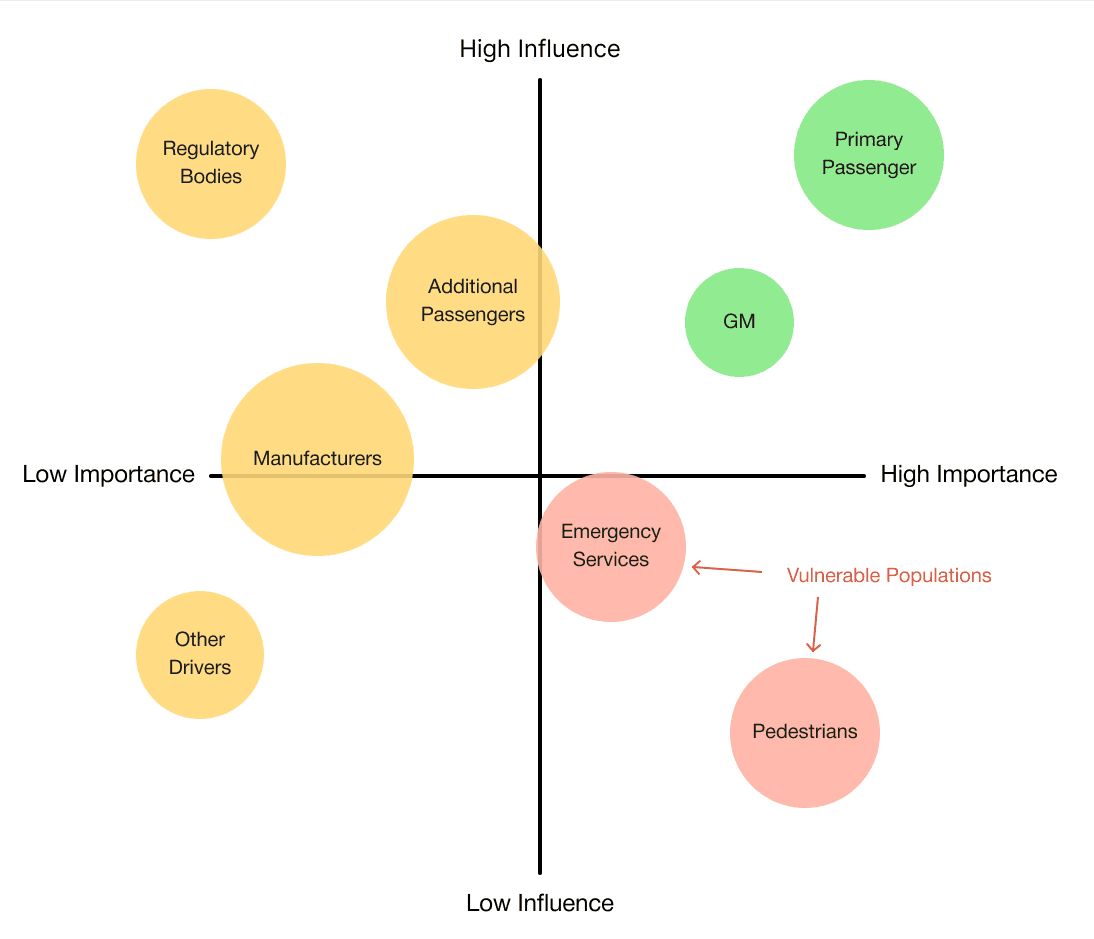
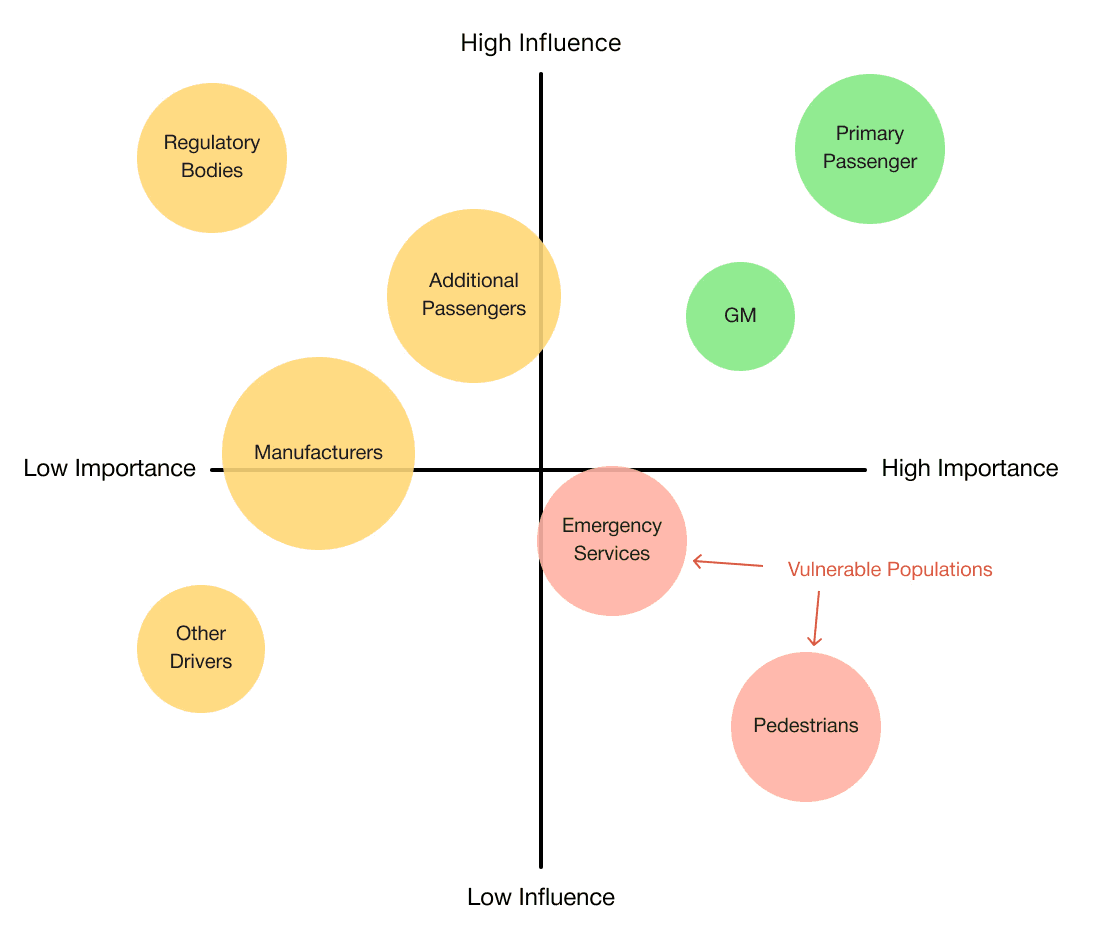
At the start of our research, we listed out possible stakeholders and mapped them out based on their importance and influence to the project and relative to themselves. We made sure to note where the vulnerable populations would be, but since this project is so closely tied with the experience on the interior of the vehicle, we stayed focused on just the driver and our sponsor.
Choose a good movie in a cinema theatre nearby and select seats in an app in a fast and clear way
Client
N/A
Year
2020-Present
Tag
Product Design
Duration
N/A
The project itself :
This page collects exploratory sketches developed across multiple projects and personal studies. The work focuses on rapid ideation, form exploration, and early spatial thinking.
The sketches explore proportion, interior layout, surface language, and early concept direction across a range of product categories.
The intent is to capture fast, iterative thinking and early design decision-making.
Personal and professional sketch work developed alongside active projects.
Pen
Marker
Digital Sketching
iterating on designs,
making high-fidelity prototype
All about the user :
Research focused on understanding how Gen-Z passengers might use time inside a fully autonomous vehicle when driving is no longer required. Insights emphasized the need for flexibility, intuitive control, and experiences that support both productivity and rest within the same journey.
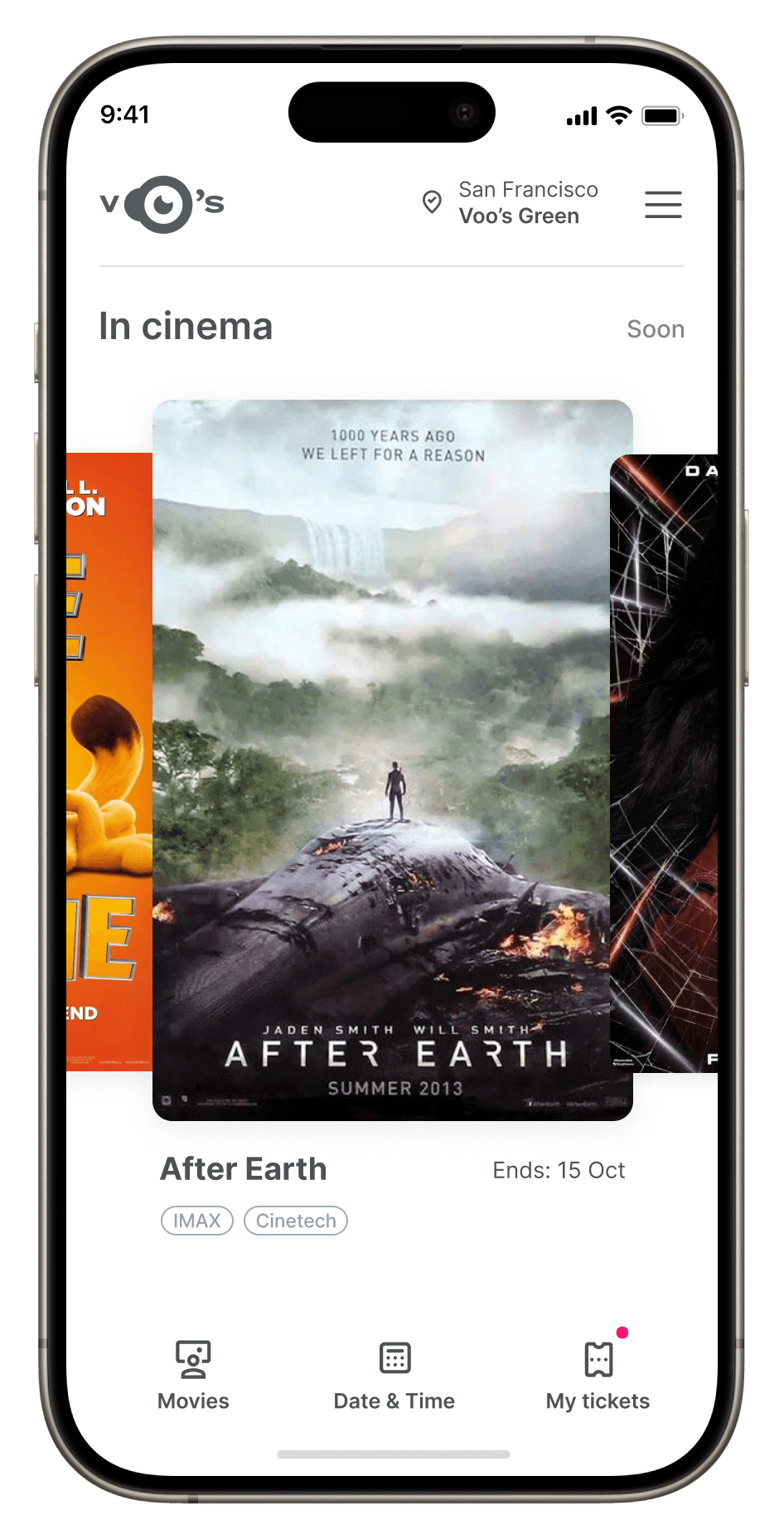
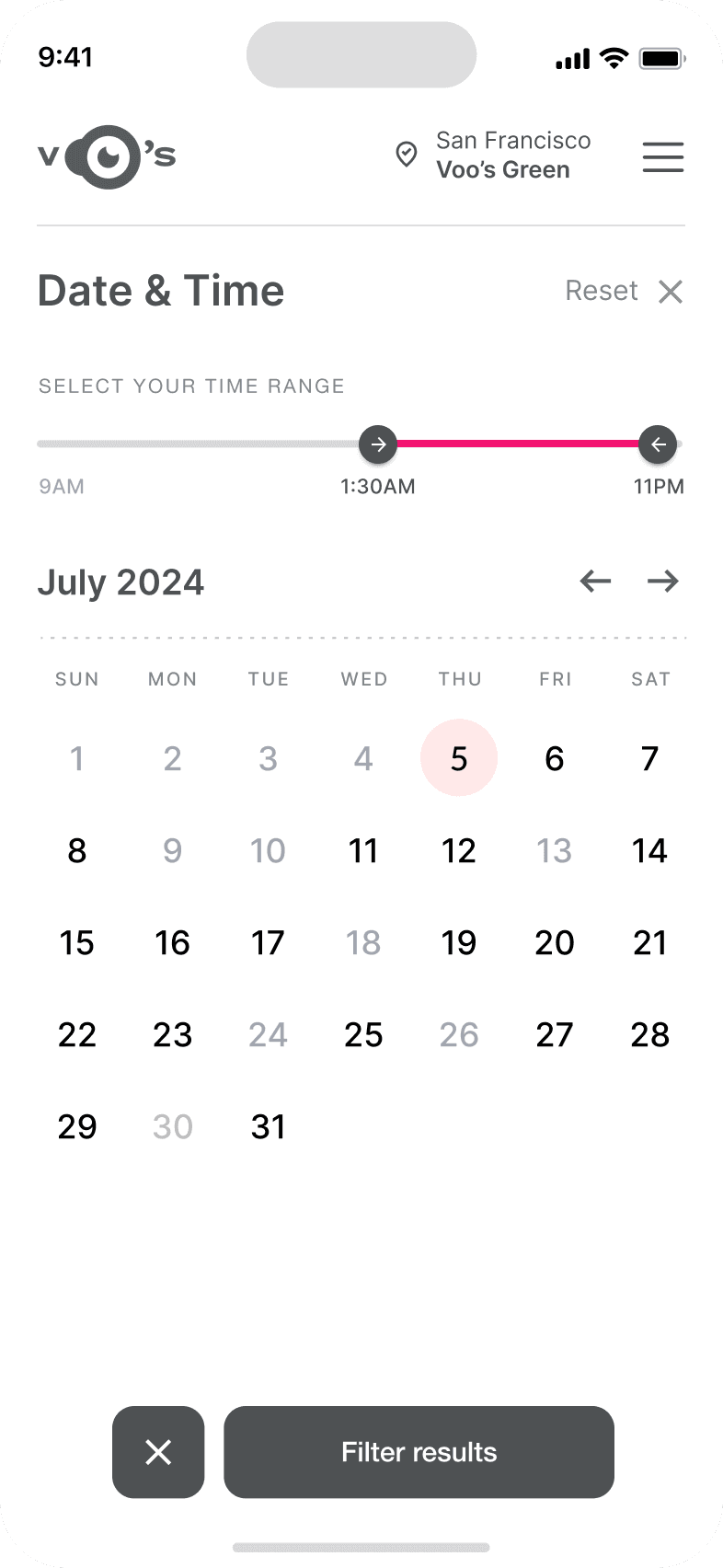
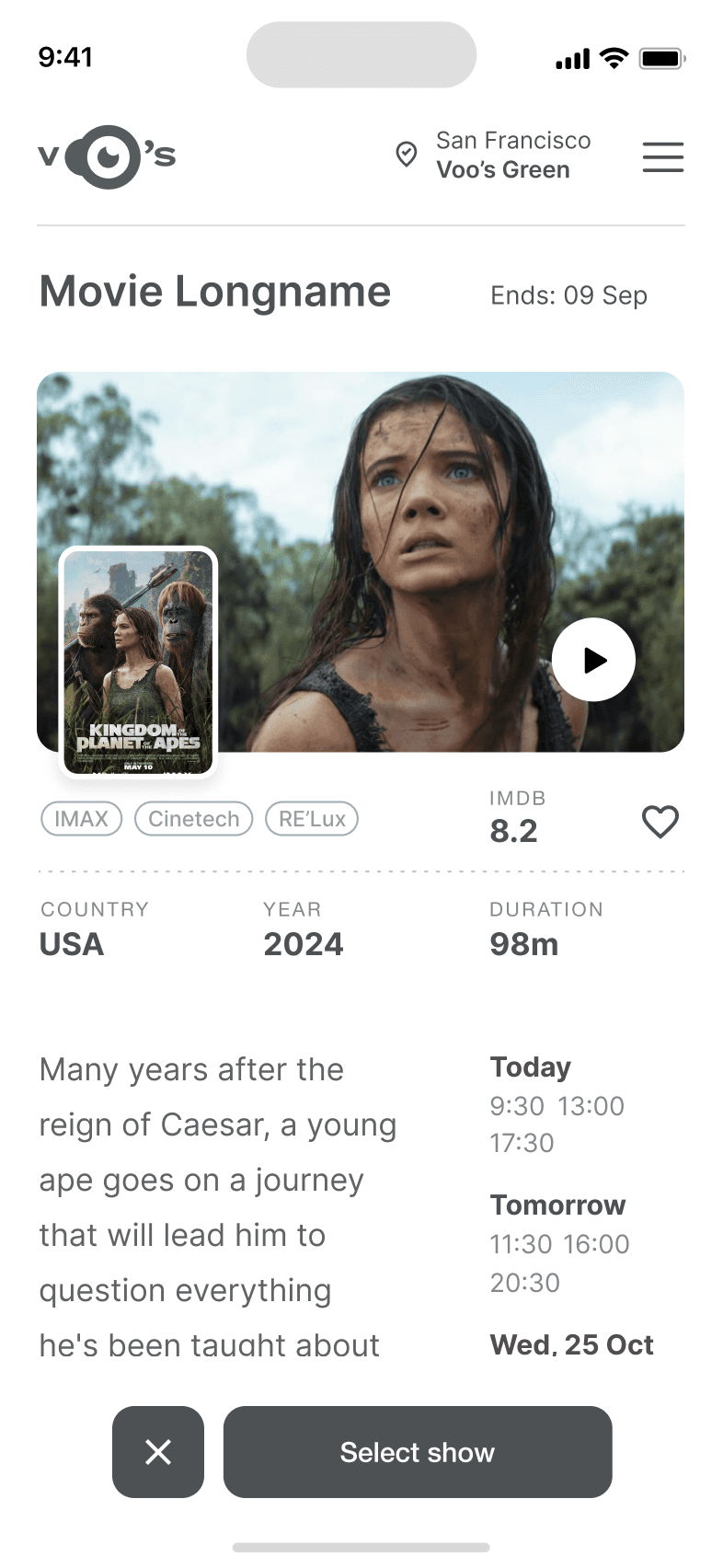
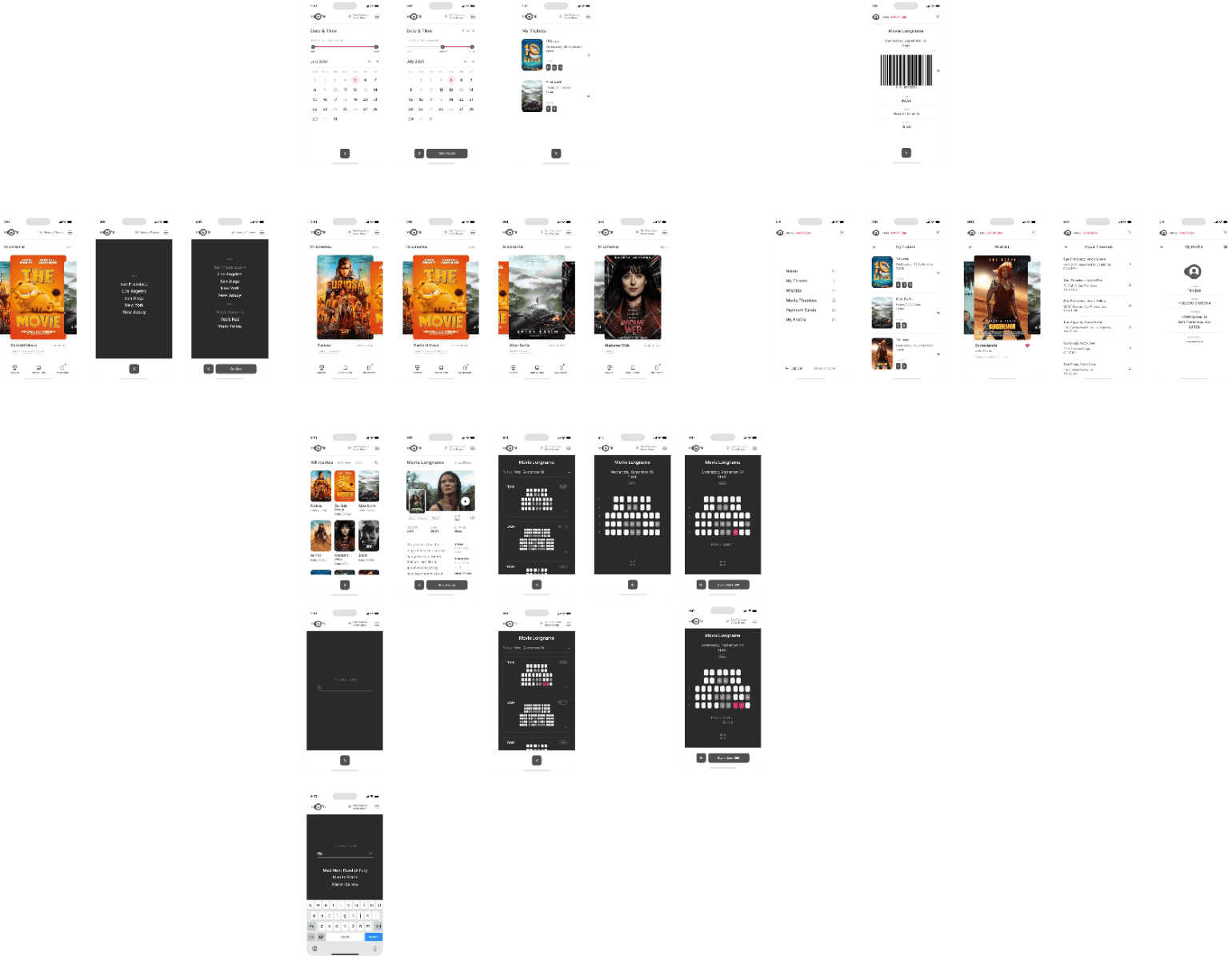
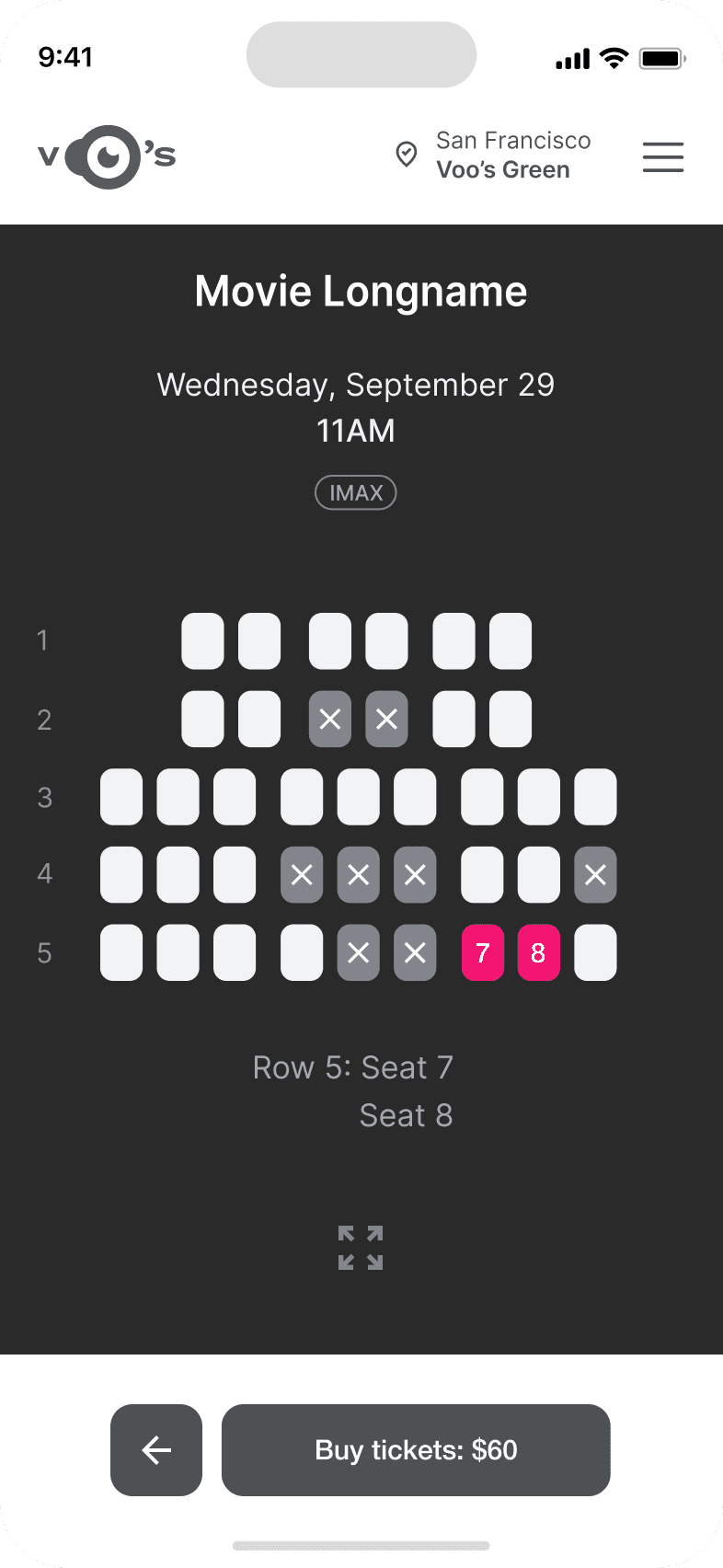
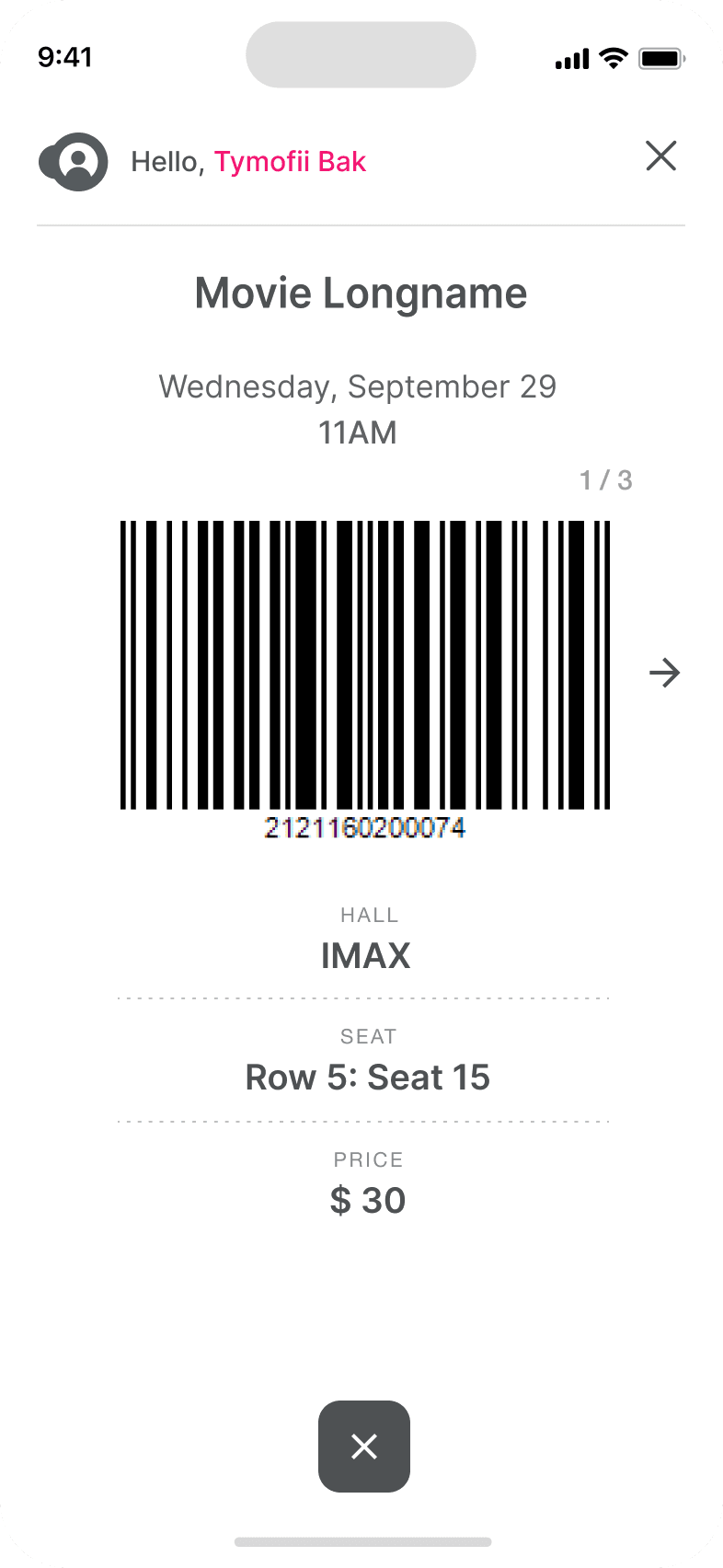
These are a high fidelity design that represents a final product
Moodboards were used to establish a retro-futuristic aesthetic blended with a sense of tranquil luxury. This visual direction helped guide material choices, lighting tone, and the overall emotional character of the interior.
Current vehicle interiors remain driver-centric, limiting meaningful passenger engagement.
Existing HMI systems lack adaptability for different activities and mental states.
Commute time often feels underutilized or disconnected from passengers’ goals
A slight majority of surveyors would like to rest in a driverless car, but getting additional work done was a close second.
Visibility to the road is important to surveyors, so the HUD should not clutter their view.
Commute time often feels underutilized or disconnected from passengers’ goals
User personas were created to represent distinct Gen-Z passenger behaviors and expectations within a fully autonomous vehicle. These personas helped guide experience decisions by balancing productivity-focused and rest-focused use cases throughout the interior and HMI system.
At the start of our research, we listed out possible stakeholders and mapped them out based on their importance and influence to the project and relative to themselves. We made sure to note where the vulnerable populations would be, but since this project is so closely tied with the experience on the interior of the vehicle, we stayed focused on just the driver and our sponsor.
After figuring out our user group, we created a survey for Gen-Z commuters to help draw out insights that might lead to design opportunities. This survey was equipped with two different types of questions:
Current driving questions
Future thinking, Level 5 questions
51% of Americans ages 18-29 say they would ride in a driverless vehicle if they had the opportunity. So, now we can narrow our user group further to Gen-Z commuters.
Enable seamless transitions between work and rest activities
Provide passengers with intuitive, real-time control over information and environment
It is the series of experiences Carlos has as he achieve a specific goal. It was built on the his experience.
We compared the typical journey and actions performed for three different modes of transportation and even pointed out some pain points for each. A personal car requires the user’s attention for the entirety of getting from point A to B, and is even required to do a good bit of multitasking at times. However, this is their personal vehicle and is private to them. An uber and bus are similar in that the user has no driving tasks to worry about, but it is no longer a personalized experience; they are in a public space.
A fully autonomous vehicle can give you the best of both worlds. You can have your own personal space while the car does all the driving for you.
The question then becomes: What do you do with the time you spend riding in this vehicle?
In the beginning, before choosing a city and theater, it would be great to look through the whole app and learn everything about it.
There are no movie search - it's necessary to add it on the movies list page.
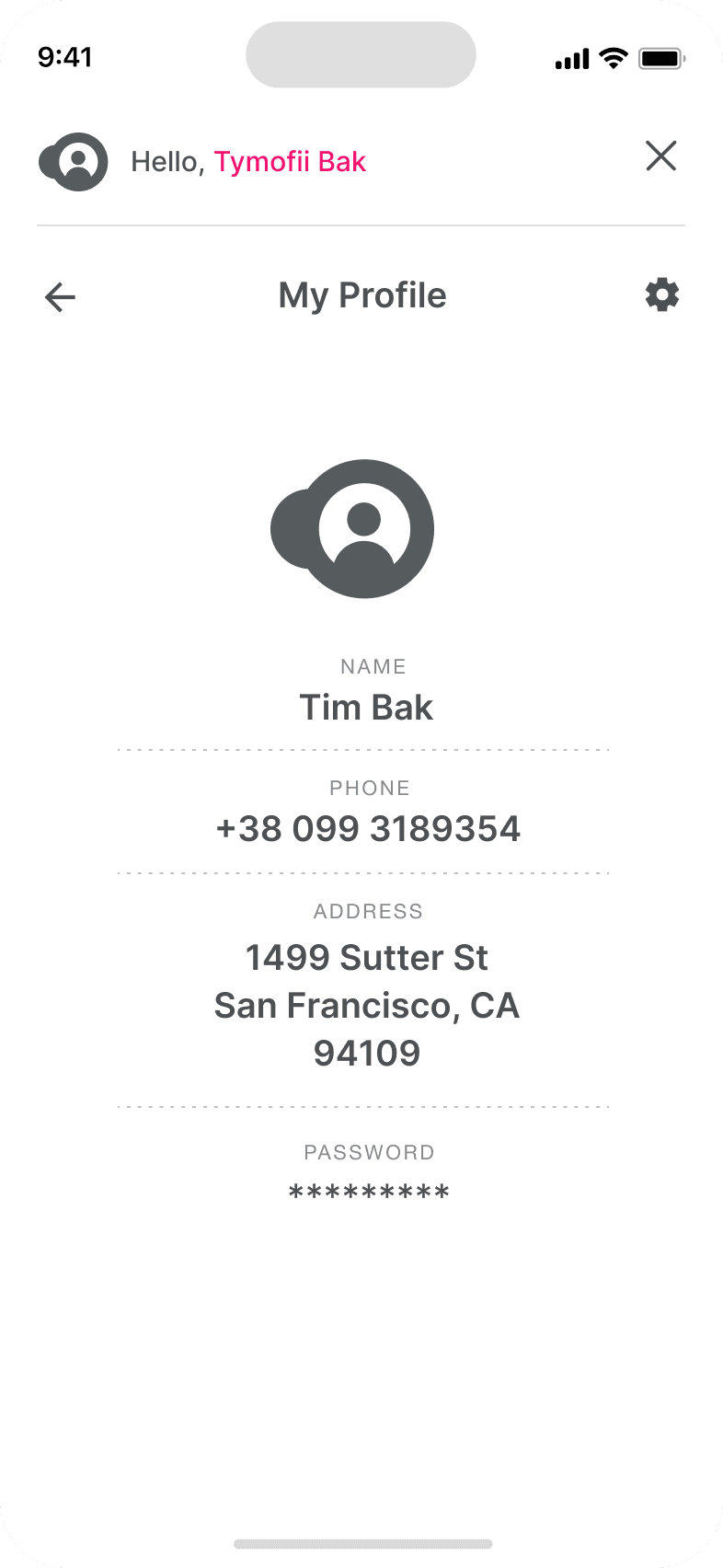
If user wants to change his account, he should be able to log out or delete it completely.
This is an examination of users and their needs, which adds realistic context to the design process.
First I conducted unmoderated usability studies with a few participants: they had to answer different questions about the app and share their observations while using the initial low-fi prototype. After getting the data, I analyzed it and synthesized the information obtained. Finally, I found themes and came up with several insights.
The goal was to identify pain points that the user experiences with the app designs so the issues can be fixed before the final product launches.
A slight majority of surveyors would like to rest in a driverless car, but getting additional work done was a close second.
Visibility to the road is important to surveyors, so the HUD should not clutter their view.
If user wants to change his account, he should be able to log out or delete it completely.
It is the series of experiences Carlos has as he achieve a specific goal. It was built on the his experience.
For Gen-Z commuters, our HMI system offers real-time interactive display and haptic feedback controls while providing both work and rest activities. It enhances the visual experience and control options for passengers in a fully autonomous vehicle.
A fully autonomous vehicle can give you the best of both worlds. You can have your own personal space while the car does all the driving for you.
The question then becomes: What do you do with the time you spend riding in this vehicle?
At the start of our research, we listed out possible stakeholders and mapped them out based on their importance and influence to the project and relative to themselves. We made sure to note where the vulnerable populations would be, but since this project is so closely tied with the experience on the interior of the vehicle, we stayed focused on just the driver and our sponsor.
I developed a user journey map of Carlos's experience with the app to highlight potential pain points and identify areas for improvement.
Choose a good movie in a cinema theatre nearby and select seats in an app in a fast and clear way
Client
N/A
Year
2020-Present
Tag
Product Design
Duration
N/A
This page collects exploratory sketches developed across multiple projects and personal studies. The work focuses on rapid ideation, form exploration, and early spatial thinking.
The sketches explore proportion, interior layout, surface language, and early concept direction across a range of product categories.
The intent is to capture fast, iterative thinking and early design decision-making.
Personal and professional sketch work developed alongside active projects.
Pen
Marker
Digital Sketching